
The Emergence of Autonomous AI Agents
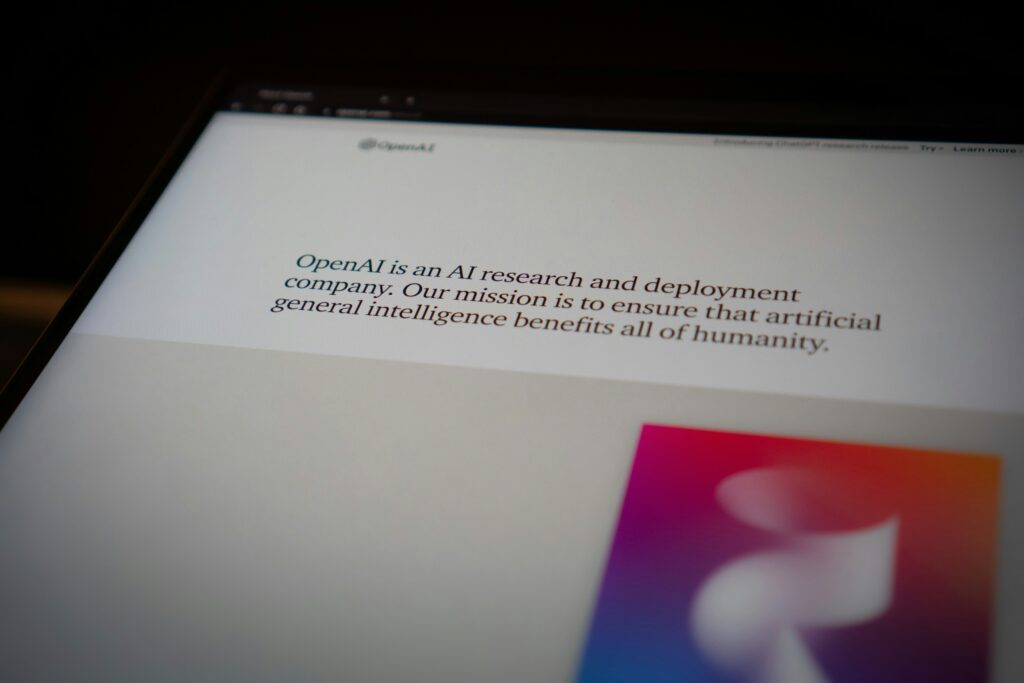
In early November 2024, reports emerged that OpenAI is planning to release a new agentic tool, internally referred to as ‘Operator,’ designed to perform tasks on a user’s behalf, such as writing code or booking travel. This move signals a significant evolution in the field of intelligent systems, moving beyond simple conversational interfaces into the realm of active, task-oriented execution.
As noted by Bloomberg Tech, the software is engineered to navigate web interfaces in real-time, effectively automating mundane, multi-step digital workflows that previously required human oversight. This shift is essential for industries where speed and precision in data processing are the primary drivers of competitive advantage.
How Intelligent Systems Change Industry Standards
Historically, enterprise automation relied on rigid robotic process automation (RPA) scripts. These systems often broke when interface designs changed. The new wave of AI agents, powered by advanced reasoning models, is fundamentally different. They interpret visual elements on a screen and make decisions based on dynamic contexts.
For companies, this implies a move toward ‘intent-based automation.’ Instead of coding specific pathways, a manager provides the high-level objective, and the agent determines the necessary steps. This is a game-changer for departments like supply chain, HR, and customer support, where context-heavy decision-making is daily routine. You can explore how these transitions compare to traditional tools in our previous analysis of AI automation trends.
The Technical Architecture of Proactive Agents
At the core of ‘Operator’ is the capability for model-driven navigation. Unlike previous iterations of LLMs, which primarily functioned as text-based assistants, these agents operate within a browser environment as if they were a human user. They process DOM elements, capture visual state, and execute commands—clicks, typing, and form submissions.
However, industry experts advise caution. While the potential for efficiency is high, the challenges surrounding security and authorization remain. Businesses must ensure that autonomous agents are operating within strict governance frameworks. We are likely looking at a future where ‘AI-in-the-loop’ becomes the standard for risk management.
Future Outlook and Implementation
As we look toward 2025, the proliferation of agentic workflows will likely accelerate. We expect major cloud providers to follow suit, offering integrated agent services within their existing enterprise software suites. The key for leaders today is to begin building the infrastructure necessary to support autonomous agent deployment—focusing on clean data practices and robust API integration.
Ultimately, the goal of these systems is not to replace human workers, but to liberate them from the administrative overhead that stifles creativity and strategic thinking. By automating the ‘how,’ employees can focus entirely on the ‘why’ and the ‘what’ of their business objectives.