
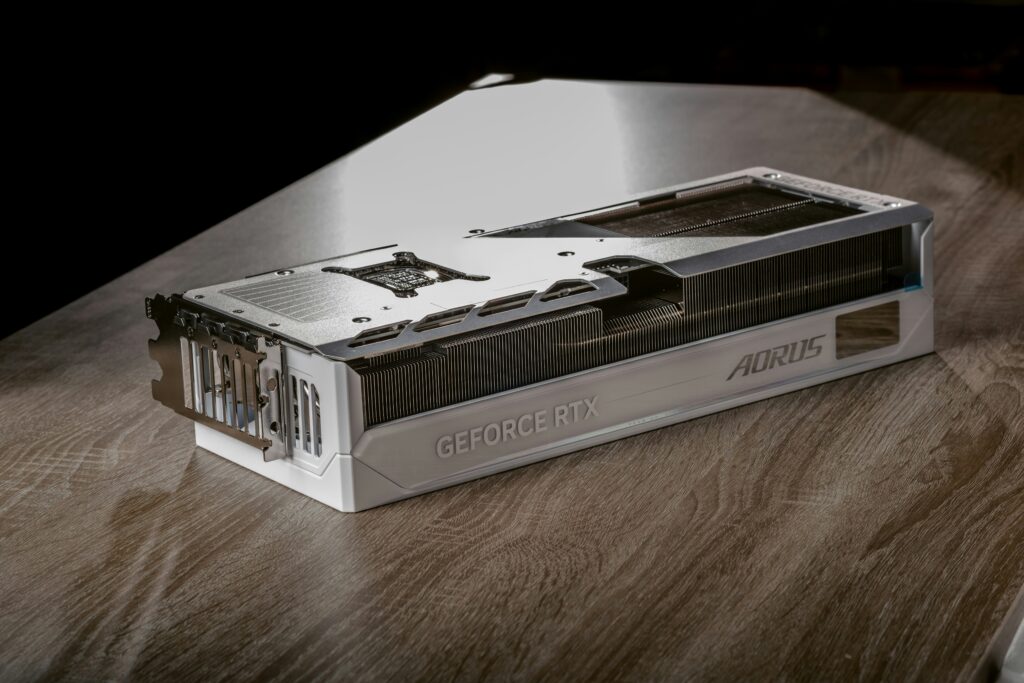
The Evolution of Computational Power
In a significant announcement over the past week, Nvidia has continued to solidify its dominance in the hardware sector with further refinements to its Blackwell platform. This architecture is not merely an iterative update; it is a fundamental shift in how GPU clusters manage massive data streams. For enterprise clients, the Blackwell GPU series addresses the bottleneck issues that have long plagued large-scale data processing, offering a massive leap in FLOPS and memory bandwidth.
Technical Precision and Performance
According to The Verge, the integration of Blackwell units into existing data centers requires a strategic overhaul of cooling and power delivery, but the efficiency gains are undeniable. Unlike previous generations, Blackwell is designed specifically to handle the multi-trillion parameter models that are becoming the standard in modern industrial applications. The hardware employs advanced packaging technologies that reduce latency, ensuring that large-scale simulations and automated workflow processes execute with near-zero friction.
Implications for Enterprise Workflows
For those navigating the complexities of digital transformation, hardware capability is often the hidden ceiling of operational success. Our team at ByteTechScope has consistently observed that software automation is only as strong as the underlying hardware infrastructure. The deployment of Blackwell GPUs allows for faster model training and real-time data analysis, which are critical for companies moving beyond simple automation toward predictive, autonomous systems.
Industry Predictions and Expert Outlook
Industry analysts expect that as Blackwell units become widely available, we will see a rapid transition in how global enterprises host their private cloud infrastructures. The shift is not just about raw speed; it is about energy efficiency per watt, which has become a primary boardroom concern in 2024. As businesses strive to meet ESG goals while scaling their tech stack, hardware choices like the Blackwell series will become pivotal strategic assets rather than mere capital expenditures.
Conclusion
The Nvidia Blackwell architecture represents a milestone in hardware innovation that will dictate the competitive landscape for years to come. By prioritizing high-density, efficient processing, companies are finally moving toward an era where computational constraints are no longer the primary hurdle to digital ambition.