
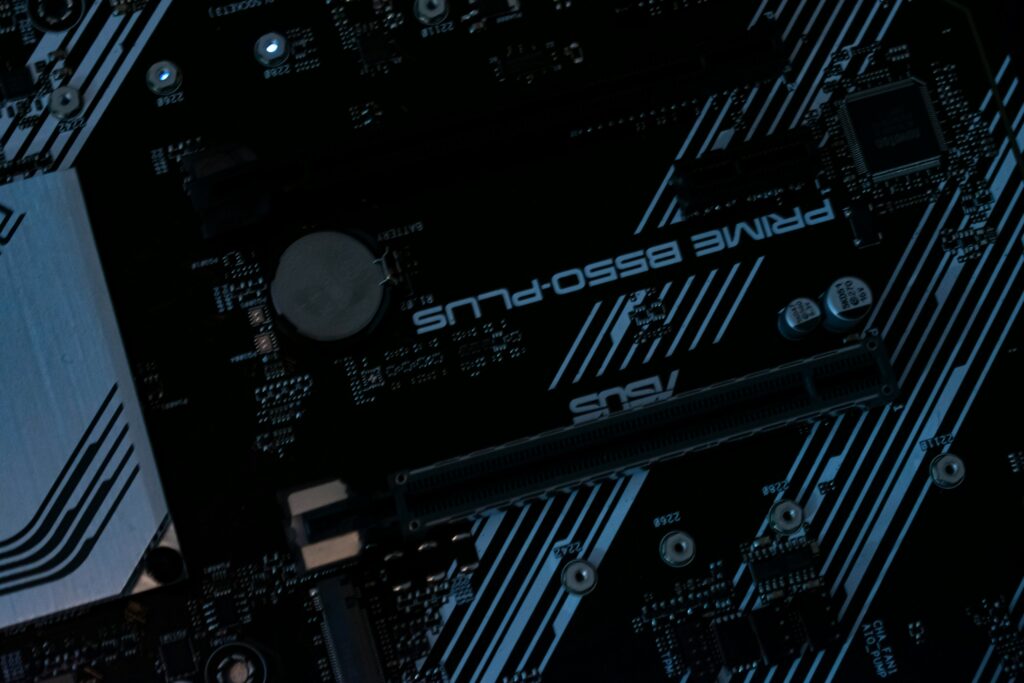
The Evolution of Computational Architecture
In the rapidly evolving world of hardware, Nvidia recently provided critical updates regarding its Blackwell GPU platform. Following the initial unveiling, industry observers have noted the strategic shift toward a multi-die chip architecture. This design approach is essential for managing the thermal and power constraints that have historically hindered scaling performance. By combining two reticle-limited dies into a single, unified GPU, Nvidia aims to deliver performance gains that were previously considered impossible with monolithic chip design.
Data-Driven Performance Insights
According to reports from Bloomberg Tech, the demand for these chips is currently outstripping supply, signaling a massive enterprise shift toward high-compute hardware. The Blackwell architecture is engineered to provide a significant reduction in total cost of ownership (TCO) for large-scale data centers. This is achieved through enhanced transformer engine technology, which optimizes the processing of large language models and other compute-intensive tasks. For businesses, this means the ability to run more complex simulations and data processing pipelines with lower latency.
Impact on the Global Tech Infrastructure
The introduction of the Blackwell platform is a clear indicator that the industry is moving away from general-purpose computing toward specialized, high-performance hardware. For organizations currently evaluating their internal infrastructure, the transition to these GPUs is not just about speed—it is about scalability. As we have discussed in our previous analysis on optimizing cloud infrastructure, the ability to pivot to efficient hardware is paramount for maintaining a competitive edge in automated workflows.
Expert Predictions and Industry Outlook
Looking ahead, industry experts predict that the Blackwell architecture will become the benchmark for cloud service providers over the next 18 to 24 months. While supply chain dynamics continue to be a focal point, the long-term impact on industrial automation and data analytics cannot be overstated. We are likely to see a tiered adoption rate where early enterprise adopters leverage this power to gain significant insights into real-time operational data, eventually setting a new standard for how firms approach technical architecture.
Conclusion
In conclusion, Nvidia’s Blackwell GPU represents a pivotal moment in hardware engineering. Whether it is reducing the time required for massive data modeling or enabling more resilient computing environments, the advancements here are substantial. Businesses that prioritize high-performance infrastructure today will undoubtedly find themselves at an advantage as these technologies move into broader deployment.