
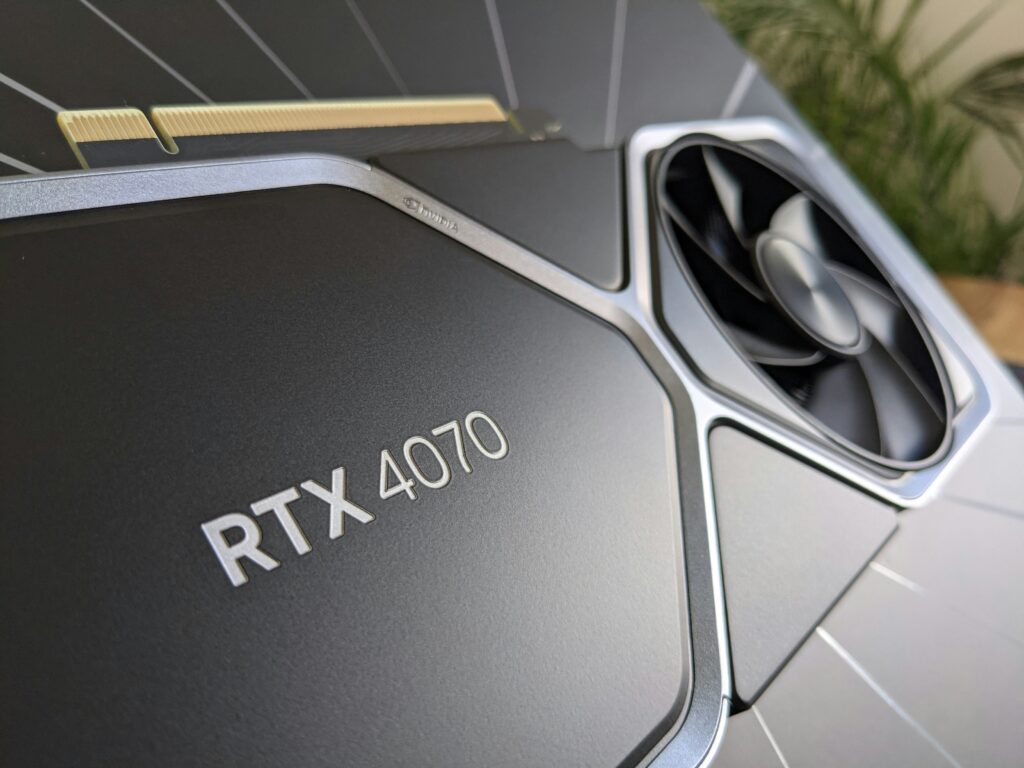
The Rise of NVIDIA Blackwell B200
In mid-2024, NVIDIA provided further clarity on the rollout of its Blackwell platform. The B200 GPU, designed to succeed the H100, is engineered specifically to address the memory and processing bottlenecks that have constrained enterprise-level AI and large-scale data automation. By utilizing a dual-die chip design, the B200 effectively doubles the transistor count to 208 billion, a feat of engineering that signals a massive shift for infrastructure providers.
Technical Advancements and Performance Metrics
According to official documentation from NVIDIA, the Blackwell architecture is not just about raw power; it is about efficiency in communication. The fifth-generation NVLink interconnect allows for seamless data flow between GPUs, which is essential for massive neural network training. For IT leaders, this translates into shorter development cycles for complex workflows that were previously deemed too computationally expensive to run on-premises or in private cloud environments.
Impact on Enterprise Automation
Consulting with enterprises, we often see that the greatest hurdle to digital transformation is the latency inherent in legacy infrastructure. The B200 aims to bridge this gap by enabling real-time processing of massive datasets. As we look at how automating complex workflows serves as a backbone for modern business, the ability to offload high-intensity tasks to specialized hardware becomes a competitive advantage. It allows teams to pivot from simple task-based automation to predictive, system-wide intelligence.
Industry Expert Opinions and Future Outlook
Market analysts suggest that the Blackwell architecture is a response to the growing demand for sustainable compute. While the power consumption of these units is significant, the performance-per-watt ratio shows promise for data centers trying to maintain green energy goals while scaling operations. Experts agree that while the initial investment is substantial, the long-term utility for businesses handling proprietary models will be the defining factor for adoption in 2025 and beyond.
As we move into the next phase of enterprise computing, the integration of such high-density hardware requires a strategic approach. It is no longer just about buying the most powerful chip; it is about how that chip integrates into your existing software stack and business processes.