
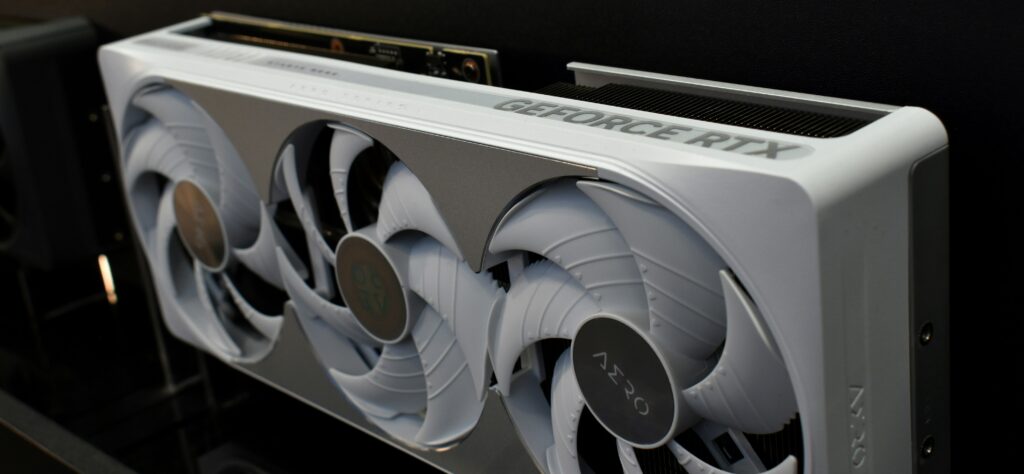
The Dawn of the Blackwell Era
In mid-March, Nvidia solidified its position at the forefront of the hardware market with the formal introduction of the Blackwell platform. While initial announcements surfaced earlier, recent technical disclosures have provided deeper insights into how this architecture achieves its staggering performance metrics. Built on a custom-built 4NP TSMC process, the Blackwell B200 GPU is designed specifically for the massive requirements of large-scale AI training and real-time generative inference.
Technical Prowess and Architectural Efficiency
At the heart of the Blackwell architecture is the dual-die design, which connects two distinct silicon dies into a single, unified GPU. This design allows for 192GB of HBM3e memory with a staggering 8TB/s of bandwidth. According to The Verge, these technical specifications are intended to drastically reduce the energy consumption and latency associated with training models that house trillions of parameters, a task that was previously bottlenecked by conventional hardware.
Impact on Industrial Automation
For organizations currently navigating the complex waters of digital transformation, hardware like the Blackwell series is a catalyst. When hardware becomes significantly more efficient, it lowers the barrier to entry for businesses to run sophisticated machine learning workflows on-premise rather than relying solely on cloud-based solutions. This transition is expected to foster a new wave of localized, proprietary automation tools, allowing companies to maintain better data sovereignty while achieving higher operational speeds. For a broader look at how internal infrastructure impacts digital agility, visit our previous analysis on Optimizing IT Infrastructure for Scale.
Expert Predictions and Market Outlook
Industry analysts remain bullish on the long-term adoption of Blackwell. The architecture is not merely about raw power; it is about the integration of the NVIDIA GB200 Grace Blackwell Superchip. This system combines the Grace CPU with the Blackwell GPU, creating a synergistic effect that streamlines data throughput. Experts suggest that as data centers transition to this architecture, we will see a surge in specialized AI agents capable of autonomous decision-making in manufacturing, logistics, and financial modeling.
Conclusion: Preparing for the Future
While the adoption curve for such high-end hardware will be steep, the message is clear: the future of AI-driven business is tethered to high-throughput compute capacity. Organizations that begin planning their architecture roadmaps now will be better positioned to leverage these advancements, ensuring their workflows remain robust and responsive in an increasingly automated world.