
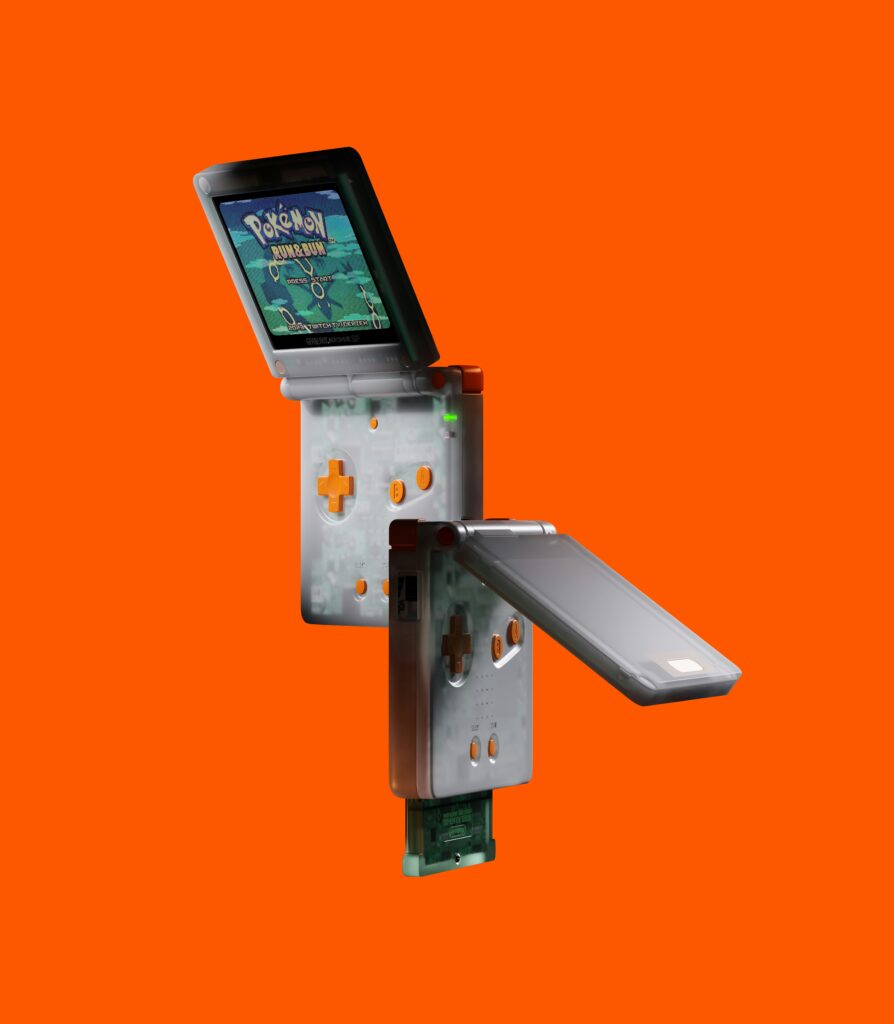
The journey of foldable phones began with much fanfare but also considerable skepticism. Early models, while groundbreaking, were often plagued by visible creases, questionable durability, and hefty price tags. Fast forward to today, and the technology has matured significantly, yet the pursuit of perfection continues. The industry is currently on the cusp of a revolutionary leap, driven by relentless research into advanced display materials and innovative hinge mechanisms that promise to redefine what a smartphone can be.
The Core Challenge: Eradicating the Crease and Enhancing Durability
One of the most persistent challenges for current foldable devices has been the visible crease along the fold line. This not only affects the aesthetic appeal but also compromises the long-term integrity of the display. Next-gen solutions are focusing on ultra-thin, flexible glass (UTG) advancements, coupled with novel polymer layers that can withstand repeated folding and unfolding cycles without degradation. Sources from display manufacturing supply chains suggest that companies are developing UTG that is not only thinner but also possesses a higher degree of elasticity and scratch resistance. These developments are critical for the mass adoption of these devices.
Beyond the display itself, the hinge mechanism plays an equally vital role. Current designs often create a slight gap when folded, leading to dust ingress and a thicker profile. Future foldables are expected to feature ‘waterdrop’ or ‘teardrop’ hinges, which allow the screen to fold into a gentler, more spacious curve, significantly reducing the crease. This design also enables a tighter closure, eliminating the gap and offering a more streamlined, pocketable device. Industry analyses, such as those by Display Supply Chain Consultants (DSCC), consistently point to these hinge innovations as key drivers for market growth and improved user experience.
Impact on Industry and User Experience
The advent of truly seamless and durable **next-gen foldable phones** will have a profound impact across the tech landscape. For users, it means a device that offers the best of both worlds: a compact smartphone that unfolds into a large tablet-like display, without the traditional compromises. This versatility could fundamentally change how people consume media, multitask, and interact with applications. Imagine a smartphone that, when unfolded, offers a desktop-grade productivity experience, or a gaming device with an expansive, uninterrupted screen.
For the industry, these advancements unlock new design possibilities and competitive advantages. Manufacturers will be able to experiment with even more radical form factors, potentially leading to rollable phones that extend their screen size with a push of a button, or even multi-fold devices that offer multiple display configurations. This innovation will also spur app developers to create more dynamic and adaptive applications that can seamlessly transition between different screen sizes and orientations, offering richer, more immersive experiences. The race to dominate this segment will accelerate innovation across the entire mobile ecosystem, from chip design to software optimization.
The Future Horizon: Beyond Just Folding
Looking further into the future, expert predictions suggest that the evolution of foldable technology won’t stop at just improved folding screens. We could see the emergence of truly stretchable displays that adapt to irregular surfaces, or even transparent screens that offer augmented reality overlays without needing separate headsets. Companies are heavily investing in materials science and nanotechnology to push these boundaries. Analysts from firms like Gartner and IDC often highlight patents for such futuristic concepts, suggesting that what seems like science fiction today could be commercial reality within the next decade. This continuous innovation will be crucial in distinguishing devices in an increasingly saturated market, making the foldable segment a hotbed for groundbreaking advancements.
The journey of foldable phones from niche curiosities to potential mainstream powerhouses is a testament to relentless technological pursuit. With each iteration, the dream of a truly versatile, durable, and elegant flexible device moves closer to reality. The next generation promises not just incremental updates, but a fundamental shift in how we perceive and interact with our personal technology. This evolution is poised to redefine user expectations and set new benchmarks for mobile innovation.
For more insights into cutting-edge mobile devices, explore our recent article on The Future of Smart Devices. Stay updated on the latest breakthroughs by visiting The Verge.