
The Dawn of Reasoning Models
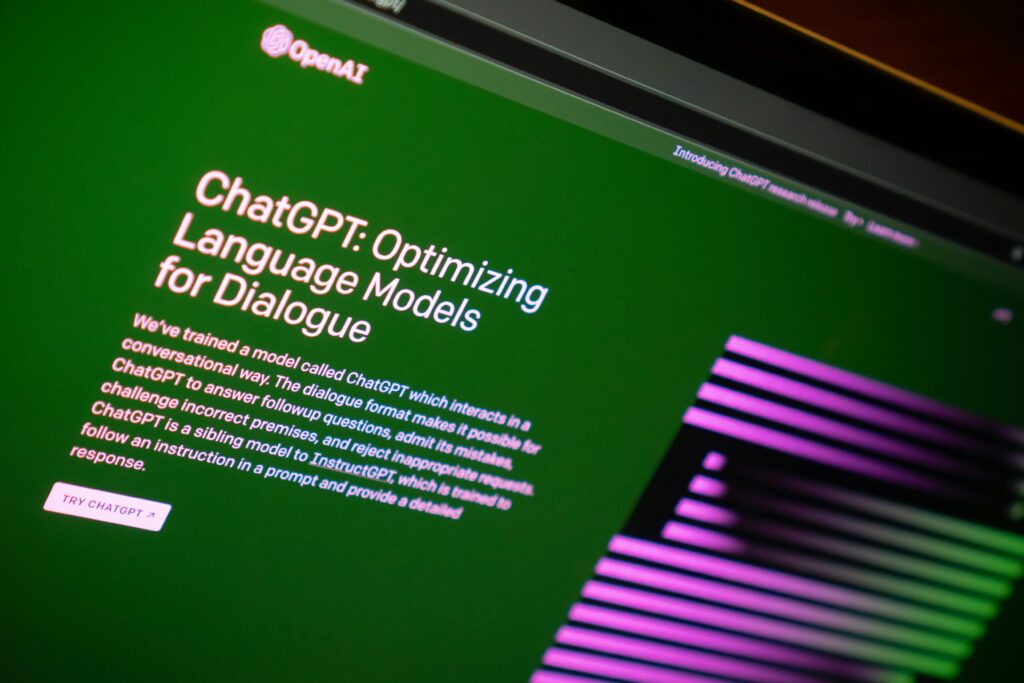
On September 12, 2024, OpenAI officially introduced the o1 model series, specifically engineered to ‘think’ through complex problems before generating a response. This release represents a significant departure from standard large language models (LLMs) that rely purely on pattern recognition. By utilizing a chain-of-thought process, the model can decompose multifaceted requests into logical segments, minimizing errors in fields such as coding, advanced mathematics, and scientific research.
Data-Driven Insights and Industry Impact
According to official documentation from OpenAI, the o1 model performs exceptionally well on competitive programming tasks and high-level physics challenges. For businesses, this is not just about faster chatbots; it is about reliable, automated decision-making. In a recent analysis by TechCrunch, experts noted that while the model exhibits slower response times due to its ‘thinking’ process, the accuracy gain is substantial enough to disrupt traditional consulting and software development workflows.
Transforming Workflow Automation
Industries that rely on manual audit trails or complex data synthesis stand to gain the most. By embedding these reasoning capabilities into existing workflow automation frameworks, enterprises can reduce the human oversight required for technical analysis. Imagine an automated system that doesn’t just route tickets but evaluates the legal and financial implications of each one before assigning them to human stakeholders.
Future Predictions and Expert Stance
Looking ahead, we anticipate that ‘reasoning models’ will become the backbone of autonomous enterprise agents. We expect companies to move away from general-purpose assistants toward specialized, reason-heavy agents. As this technology matures, the bottleneck will no longer be the lack of information, but the capacity to verify the ‘logic’ behind automated outputs. Our recommendation for stakeholders is to prioritize robust validation layers when deploying o1 in production environments.
Conclusion
The arrival of OpenAI’s o1 is a major milestone for AI and Machine Learning. By shifting from simple output generation to verifiable reasoning, OpenAI has moved the goalposts for what is possible in corporate digital transformation. Embracing these tools requires a strategic shift, focusing on logic-heavy applications rather than simple text generation.