
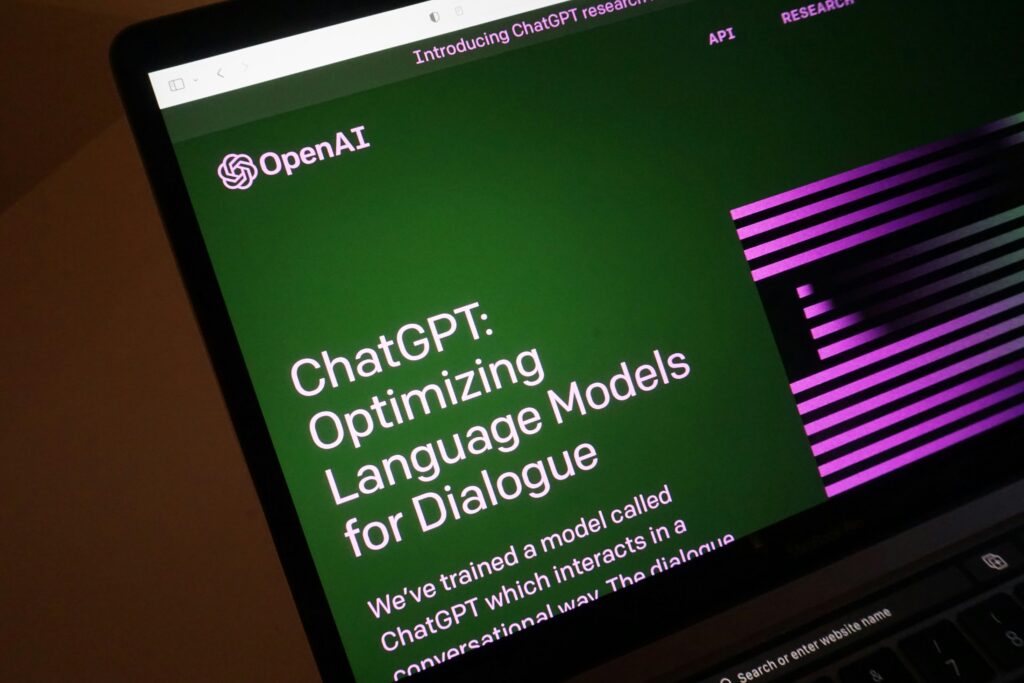
The Latest Pivot in AI Strategy
In a significant announcement dated early November 2024, OpenAI has emphasized a shift toward more robust, enterprise-grade capabilities. The company is doubling down on custom model deployment, allowing businesses to fine-tune systems to their unique operational data. This move is a direct response to the growing demand for secure, privacy-compliant AI architectures that go beyond the limitations of standard consumer-facing chatbots.
According to recent reports from TechCrunch, the focus has shifted toward ‘agentic’ workflows—systems capable of completing multi-step tasks without constant human intervention. This represents a fundamental change from basic language generation to active business process management, potentially saving firms thousands of manual hours annually.
The Data Behind the Shift
Industry research indicates that companies adopting AI for workflow orchestration are seeing a 30% increase in operational efficiency within the first two quarters. OpenAI’s strategy aligns with this trend by providing the infrastructure needed for large-scale data processing. Unlike early iterations, these new tools prioritize ‘reasoning’ capabilities, which allow for better error correction and context retention—crucial for high-stakes business environments.
Impact on Global Industries
Industries such as finance, logistics, and supply chain management are poised to be the primary beneficiaries. By automating complex documentation analysis and real-time risk assessment, OpenAI’s platform is acting as a force multiplier for existing IT teams. For a closer look at how these integrations function, you can read our previous analysis on scaling workflows through intelligent automation.
Expert Predictions: What Comes Next
Industry analysts predict that within the next 18 months, the competition between OpenAI, Microsoft, and Anthropic will transition from ‘who has the smartest model’ to ‘who has the best ecosystem.’ As noted in recent Bloomberg Tech insights, the true value for an enterprise lies not in the chat interface, but in the API reliability and the depth of enterprise-specific features available for integration into existing legacy stacks.
Ultimately, companies that act early to architect their data pipelines for these next-gen models will hold a significant competitive advantage. This isn’t just about adopting a new tool; it’s about restructuring how business value is captured in a digital-first economy.
Conclusion
The roadmap ahead for AI in business is clear: more autonomy, more security, and deeper integration. As the technology matures, we recommend that leaders prioritize interoperability, ensuring their software stack can adapt to the rapid pace of change coming from innovators like OpenAI.