
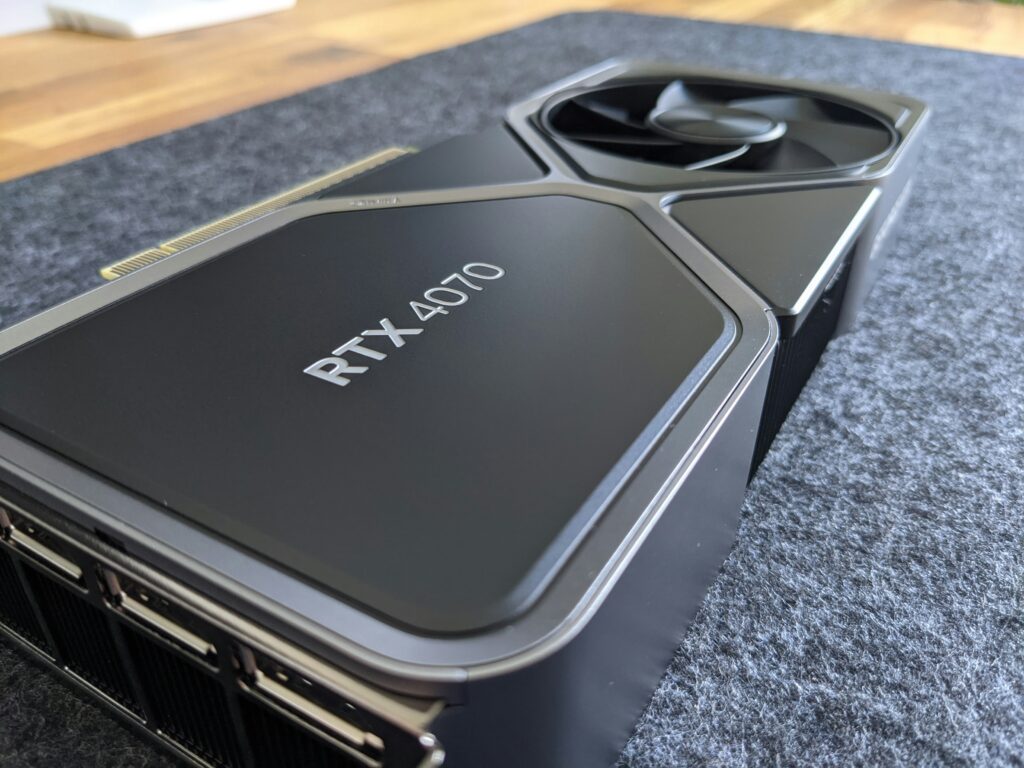
On March 18, 2024, NVIDIA officially unveiled the Blackwell architecture, a monumental shift in hardware technology aimed at the burgeoning demands of the artificial intelligence and scientific computing sectors. Unlike its predecessor, the Hopper architecture, Blackwell is designed not just for performance, but for massive, multi-trillion parameter model training and inference capabilities that were previously considered impossible to manage in real-time.
The Core Innovation of Blackwell
At the heart of the architecture is the B200 GPU, which features 208 billion transistors manufactured using a custom 4NP TSMC process. According to official data from The Verge, this hardware is engineered to support a diverse range of AI workloads, providing up to 2.5 times the performance in training and up to 5 times the performance in inference compared to previous models. This efficiency is critical for modern data centers aiming to optimize operational costs while scaling AI operations.
Impact on Enterprise Workflows
For businesses currently evaluating their hardware roadmap, the transition to Blackwell-based systems offers more than just raw speed. It addresses the cooling and power constraints that have plagued high-density data centers. By integrating advanced liquid cooling support and improved interconnect speeds via the NVLink Switch, companies can reduce the energy footprint per unit of compute. To understand how your existing hardware infrastructure compares, you can read our previous analysis on modern enterprise hardware integration.
Industry Predictions and Expert Analysis
Industry analysts anticipate that Blackwell will become the standard for the next generation of cloud service providers. The ability to perform real-time generative AI at scale allows for a level of personalization and responsiveness that was previously gated by hardware limitations. Experts suggest that as these units become more widely available, we will see a shift in how software-as-a-service (SaaS) providers architect their backend to utilize ‘distributed inference’ more effectively.
While supply chain challenges remain a common concern in the hardware industry, NVIDIA’s commitment to a multi-tiered supply chain strategy suggests that Blackwell will be deployed across major cloud providers by the end of the year. Organizations should begin reviewing their current GPU utilization to prepare for the migration to this high-density architecture.