
The Arrival of the Blackwell Architecture
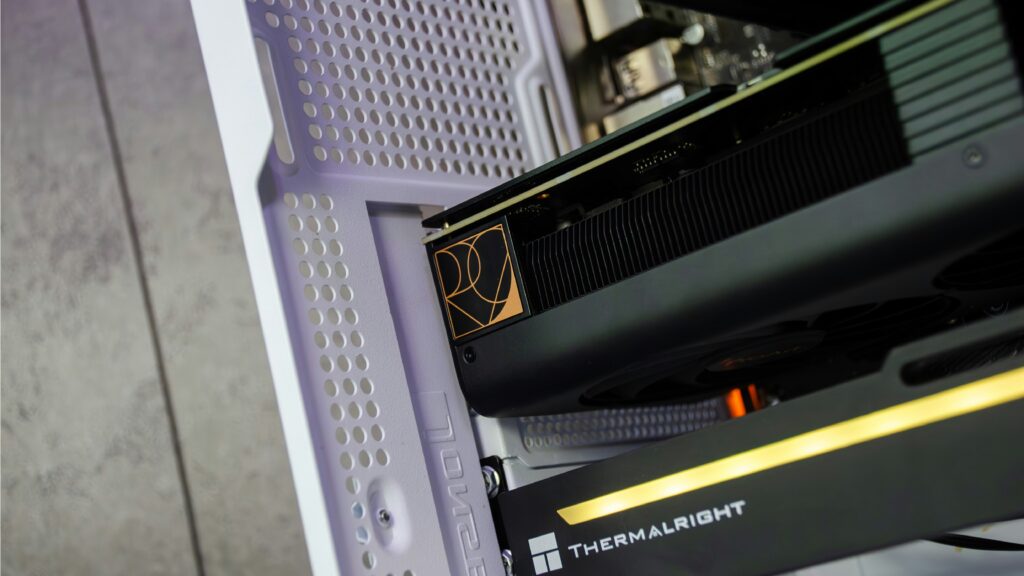
In a major development within the semiconductor industry, Nvidia has officially moved its Blackwell architecture into production. Announced as the successor to the highly successful Hopper platform, Blackwell is designed to address the surging demand for accelerated computing power. This is not merely an incremental update; it represents a fundamental overhaul of how GPUs handle multi-trillion parameter models. By integrating two silicon dies connected by a high-speed interconnect, Nvidia has effectively created a unified GPU that pushes the boundaries of performance and energy efficiency.
Engineering Marvel: Bridging Performance Gaps
According to official insights from The Verge, the Blackwell B200 GPU is engineered to deliver unprecedented throughput. The architectural shift focuses on ‘transformer engine’ optimizations, which are critical for current industry workflows. Unlike previous iterations, Blackwell is built to support massive parallel processing with a significantly lower power footprint per unit of compute. This is vital for international corporations aiming to optimize their cloud infrastructure while maintaining sustainability targets.
Industry Impact and Enterprise Integration
The impact of this hardware on the industry is profound. As we discuss in our previous analysis on scaling enterprise infrastructure, the hardware layer is the foundation of any successful automation strategy. With Blackwell, companies can expect a drastic reduction in training times for large-scale models, enabling faster time-to-market for proprietary digital tools. The ability to process data at this scale allows for more granular workflow automation and real-time decision-making, which are key drivers for modern enterprises.
Future Predictions: The Era of Accelerated Computing
Looking ahead, industry experts speculate that the integration of Blackwell will force a refresh cycle in data center hardware globally. As enterprises move toward ‘sovereign AI’ and specialized cloud environments, the need for robust, high-density computing platforms will only intensify. We predict that by late 2025, firms that fail to adopt or provide infrastructure compatible with next-gen architectures like Blackwell will face significant latency bottlenecks in their automation pipelines.
Conclusion: Embracing Hardware Innovation
The Blackwell platform is clearly a testament to the pace of modern hardware innovation. For business leaders, the takeaway is simple: align your technical roadmap with the hardware capabilities that are currently shaping the infrastructure of tomorrow. Staying ahead requires not just vision, but the tactical implementation of tools that can sustain the computational demands of the modern business world.