
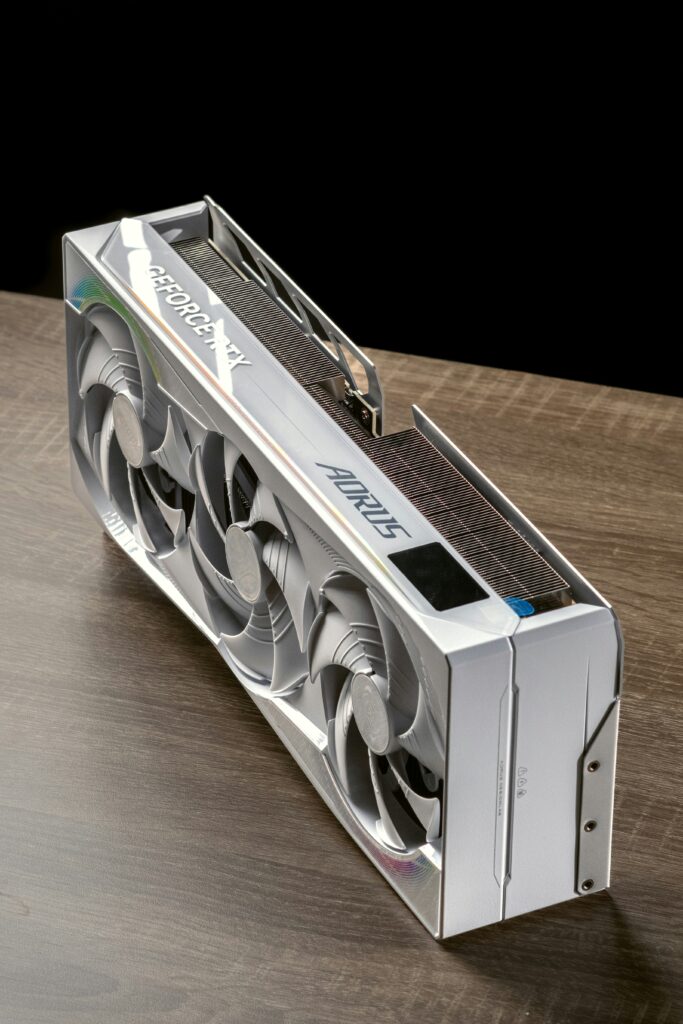
On March 18, 2024, NVIDIA officially unveiled its Blackwell GPU architecture, designed to power a new era of accelerated computing. This announcement has sent ripples through the global tech industry, signaling a move toward more sustainable yet exponentially more powerful data centers. The architecture is built on a custom-built 4NP TSMC process, featuring 208 billion transistors that enable unprecedented performance in large-scale model training and inference.
Understanding the Blackwell Architectural Leap
The core innovation behind the Blackwell platform lies in its multi-chip design. Unlike traditional monolithic GPU structures, Blackwell connects two high-bandwidth GPU dies into a single, unified processor. This design allows for a 192GB HBM3e memory configuration, ensuring that data bottlenecks, which previously plagued complex automated workflows, are significantly minimized. According to The Verge, this hardware is engineered specifically to handle trillions of parameters, making it the most formidable GPU in the current market.
Impact on Enterprise Automation
For organizations focusing on automation and workflow optimization, the transition to Blackwell-based infrastructure means reduced latency and higher throughput. When we analyze the current enterprise landscape, it is clear that compute-bound tasks—such as real-time predictive analytics and autonomous supply chain management—require the type of precision only next-gen hardware can provide. As we have discussed in our previous analysis on enterprise cloud strategies, the underlying hardware serves as the foundation for software scalability.
Expert Predictions and Industry Trends
Industry analysts expect a phased rollout throughout 2024 and 2025 as major cloud service providers incorporate these units into their server farms. The focus is no longer just on raw power but on energy efficiency. NVIDIA has emphasized that Blackwell allows for a massive reduction in the cost and energy consumption required for AI workloads compared to its predecessors. This is a game-changer for businesses that are striving to meet ESG targets while simultaneously scaling their digital transformation efforts.
Looking Ahead
While the hardware is undoubtedly impressive, the real value will emerge as software developers and systems architects learn to leverage the new Transformer Engine included in the Blackwell chips. We are moving toward a future where hardware and software are so tightly integrated that the barrier to entry for complex automation will drop, allowing even mid-sized enterprises to harness capabilities that were previously restricted to tech giants.
As the market stabilizes after the initial hype, we recommend that IT decision-makers evaluate their existing hardware refresh cycles to determine when a migration to accelerated infrastructure will offer the highest return on investment. The transition to such high-capacity computing is not merely an upgrade; it is a fundamental shift in how we process information at scale.