
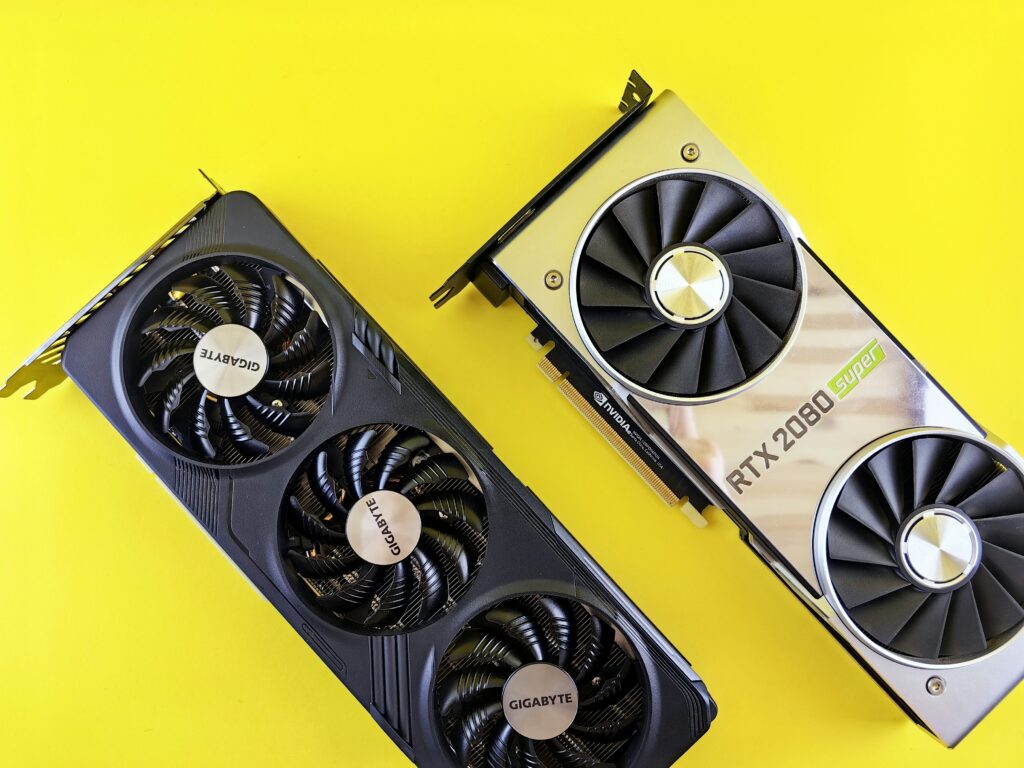
NVIDIA’s introduction of the Blackwell platform, specifically the GB200 Grace Blackwell Superchip, marks one of the most significant milestones in hardware history. During the GTC 2024 keynote, Jensen Huang highlighted that this is not just a new GPU; it is a fundamental shift in how accelerated computing interacts with data-intensive workloads.
The Core Engineering Behind Blackwell
The Blackwell architecture features 208 billion transistors, manufactured using a custom-built 4NP TSMC process. This density allows for unprecedented efficiency when handling large language models that require trillions of parameters. Unlike its predecessor, the Hopper architecture, Blackwell introduces a second-generation Transformer Engine that significantly optimizes precision and speed.
According to Bloomberg Tech, this architecture is designed to handle the complexity of generative tasks that were previously bottlenecked by physical thermal limits and memory bandwidth constraints.
Transforming Industry Workflows
For organizations already leveraging advanced automated systems, the shift to Blackwell means drastically reduced latency. Businesses that have previously explored automation scaling strategies will find that the integration of Blackwell-based servers allows for real-time model training that previously took weeks, now achievable in days or even hours.
The impact extends beyond mere speed. The energy efficiency improvements inherent in the Blackwell design allow data center operators to increase performance without a proportional increase in power consumption, a critical factor as global energy costs continue to fluctuate.
Future Predictions and Expert Analysis
Industry analysts speculate that while demand currently outstrips supply, the long-term adoption of the Blackwell GPU will stabilize the market for high-compute infrastructure. By 2026, we expect to see these chips embedded in standard enterprise server racks, shifting the barrier of entry for deploying sophisticated predictive analytics from massive tech conglomerates to mid-sized enterprises.
While initial availability remains highly prioritized for hyperscalers, the eventual migration of these capabilities into public cloud infrastructure will be the true game-changer for digital transformation efforts.
In conclusion, the NVIDIA Blackwell architecture is not merely a hardware refresh; it is the backbone of the next generation of industrial intelligence. For CTOs and systems architects, the focus must now shift to preparing data pipelines that are capable of utilizing this newfound computational velocity.