
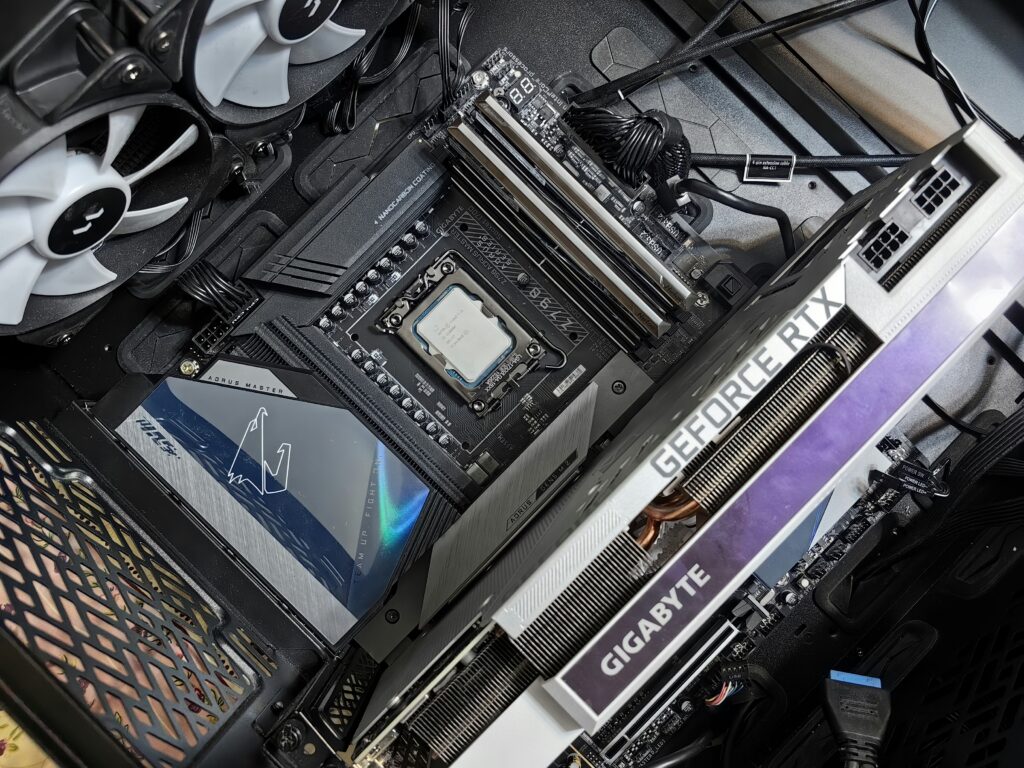
The Dawn of the Blackwell Architecture
In a recent industry update, NVIDIA officially showcased the prowess of its Blackwell GPU architecture, designed specifically to address the skyrocketing demands of large-scale computation. Announced to solve the bottleneck issues currently faced by data centers, this hardware is engineered with a focus on massive parallel processing capabilities. By integrating cutting-edge manufacturing processes, NVIDIA aims to provide the backbone for the next generation of digital infrastructure.
Engineering Breakthroughs and Technical Specifications
According to official technical disclosures from The Verge, the Blackwell GPU utilizes a multi-die design that allows for unprecedented transistor counts. This is not merely an iterative update; it is a fundamental shift in how high-performance components communicate within a rack. The architecture focuses on reducing latency and improving thermal management, two critical factors that have hindered previous generations of enterprise hardware.
Impact on Industry and Automation
For organizations specializing in workflow automation and enterprise consulting, the implications are profound. The ability to process data at this scale means that complex automation models—previously restricted by hardware limitations—can now run in real-time. This efficiency translates to lower operational costs and faster time-to-market for complex software solutions. It essentially acts as a catalyst for firms looking to scale their infrastructure without increasing their energy footprint linearly.
Strategic Outlook for Enterprise Clients
As we observe the market, it is clear that early adopters of this hardware will gain a distinct competitive advantage. However, integration is not a plug-and-play scenario. For companies looking to optimize their workflow, understanding the synergy between high-end hardware like Blackwell and optimized software stacks is crucial. As we have discussed in our previous analysis of workflow optimization strategies, hardware is only as effective as the processes built upon it. Our team suggests that leadership teams should prioritize a holistic approach, pairing next-gen GPU investments with robust, scalable software architecture.
The Future of High-Performance Hardware
Looking ahead, the industry is expected to move toward more specialized computing units. While Blackwell currently sets the benchmark, the speed of innovation from competitors like AMD suggests that we are entering a new ‘arms race’ in silicon design. We predict that within the next 18 months, the standard requirements for enterprise servers will shift significantly to accommodate the architecture pioneered by this current generation of hardware.