
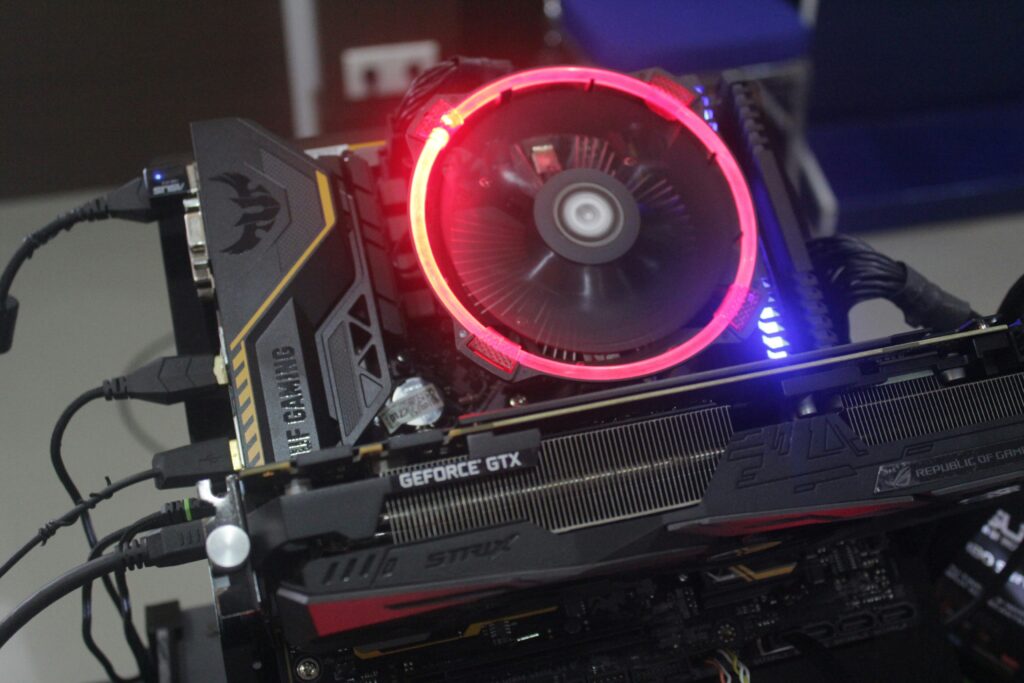
The Emergence of Blackwell Architecture
Announced earlier this year, NVIDIA’s Blackwell architecture represents the most significant advancement in GPU engineering since the introduction of the A100. Designed specifically for the demands of trillion-parameter large language models (LLMs), Blackwell combines two reticle-limited dies into a single unified GPU. This design choice is not merely an incremental upgrade; it is a fundamental re-engineering of how data moves through high-performance silicon.
Technical Specifications and Performance Gains
According to official reports from The Verge, the B200 GPU features an astonishing 208 billion transistors. This massive capacity allows for significant improvements in training speed and inference performance. When compared to the H100, the Blackwell architecture offers up to 30x the performance in specific AI-driven tasks while notably reducing the total cost of ownership for massive data centers.
Impact on Workflow Automation and Data Science
For organizations looking to scale their automation workflows, hardware like the B200 is a game-changer. By leveraging these GPUs, companies can reduce the latency of complex automation chains and process larger datasets in real-time. This is where ByteTechScope’s expertise in workflow optimization becomes essential; simply possessing raw power is insufficient without an intelligent orchestration layer to manage the increased throughput.
Expert Predictions: The Future of Enterprise AI
Industry analysts expect widespread adoption of Blackwell-based systems by late 2024 and throughout 2025. While smaller startups may initially find these units cost-prohibitive, the long-term efficiency gains in energy consumption per unit of computation are undeniable. We anticipate that service providers will soon offer Blackwell-as-a-service, democratizing access to this extreme computing capability for mid-market firms.
Conclusion
The NVIDIA Blackwell platform is a testament to the relentless pace of innovation in hardware. For IT leaders, the focus should not just be on the specs, but on how to integrate this density of power into existing automated environments. As we look ahead, the gap between organizations that leverage next-gen silicon and those that lag behind will only continue to widen.