
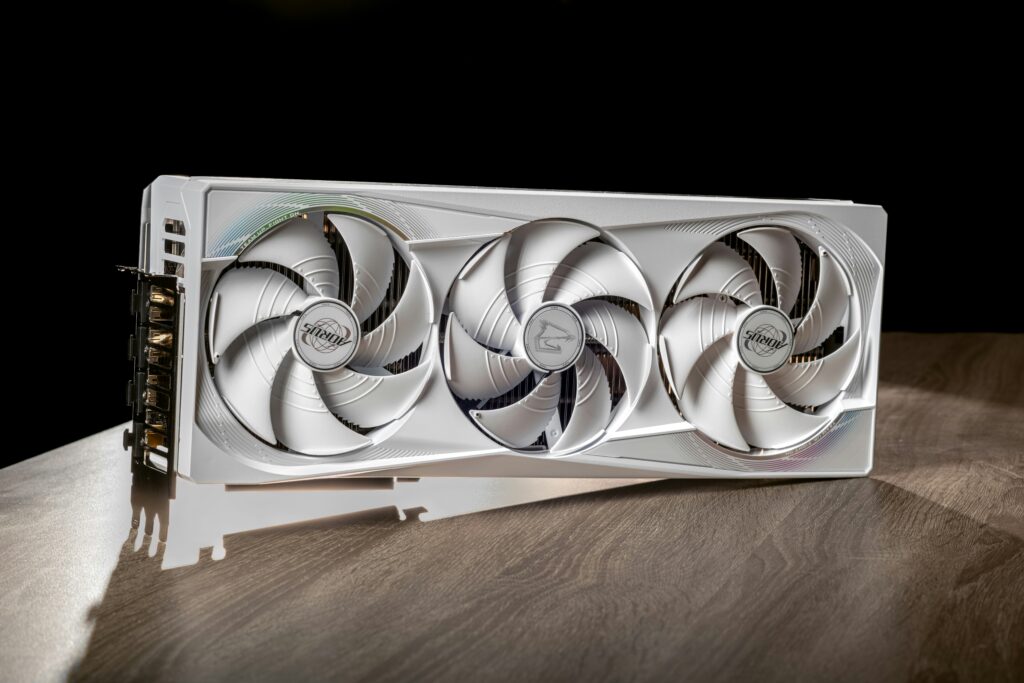
The Evolution of Enterprise Compute
Announced officially in March 2024, the NVIDIA Blackwell architecture aims to solve the scalability challenges that have plagued data centers for the last half-decade. With the rise of complex large language models (LLMs) and real-time inference, the demand for parallel processing power has reached a breaking point. Blackwell introduces the second-generation Transformer Engine and high-bandwidth interconnects that allow for unprecedented communication speeds between GPUs.
According to Bloomberg Tech, the platform was developed with a focus on massive-scale AI training, but its implications for workflow automation are equally significant. Unlike previous generations that focused primarily on raw clock speed, Blackwell emphasizes the efficiency of inter-chip communication, effectively reducing the bottleneck that occurs when multiple GPUs work on a single distributed task.
Technical Innovations and Real-World Impact
For the average enterprise, the move toward Blackwell represents a shift from legacy infrastructure to what NVIDIA calls ‘accelerated computing.’ This isn’t just about faster rendering; it’s about the ability to process petabytes of operational data in near-real-time. We have seen automated workflows evolve from simple scripts to complex, decision-making agents, and Blackwell provides the foundational hardware to support these logic-heavy systems.
The integration of the new GPU platform allows for more efficient inference, which is the process of putting a model to work. For consulting firms and automation experts, this means that client-facing tools can become significantly more responsive, moving away from cached responses to dynamic, context-aware analysis.
Industry Predictions and Future Outlook
Industry analysts remain bullish on the adoption rate of Blackwell, particularly within the financial and healthcare sectors where latency is a critical performance metric. While the initial cost of transition is high, the long-term energy efficiency gains—often cited by NVIDIA as significantly lower per-unit-of-work than the Hopper architecture—provide a compelling business case for large-scale upgrades.
Looking ahead, we expect the focus to shift from the hardware itself to the software optimization layers. As specialized startups begin to develop automation frameworks specifically tailored for the Blackwell environment, we will likely see a surge in specialized business tools that were previously impossible to run in a cost-effective manner. The future of enterprise technology is undoubtedly becoming more hardware-accelerated, and Blackwell is leading that charge.