
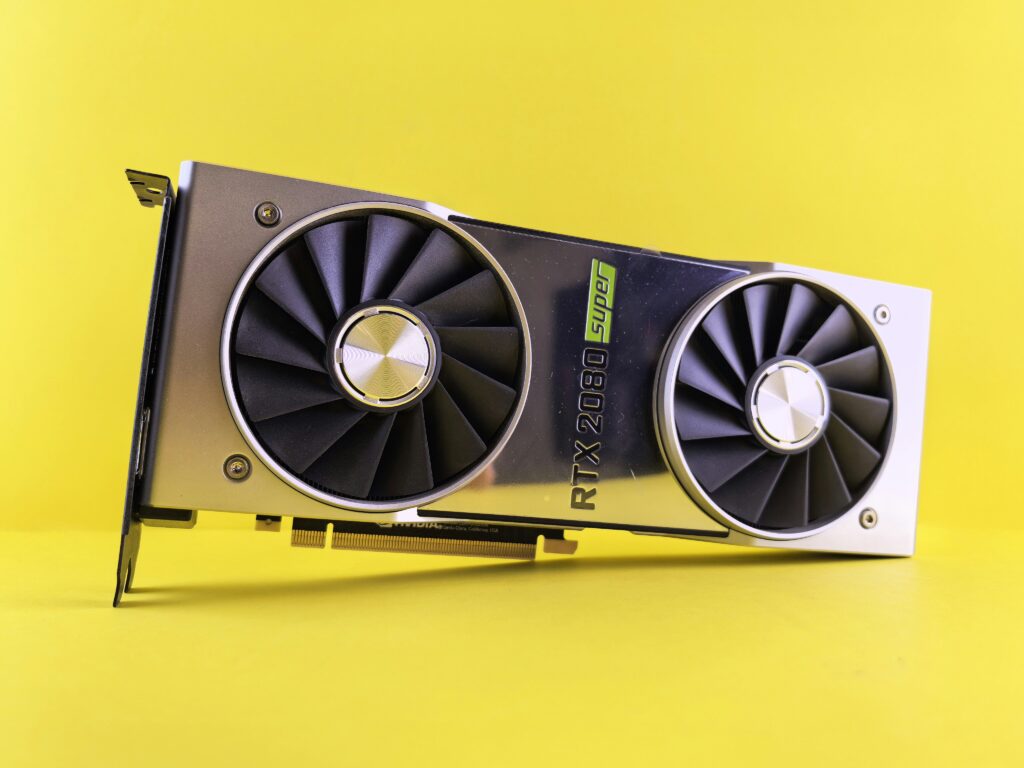
The Rise of Nvidia Blackwell Architecture
In a recent industry briefing, Nvidia provided key updates regarding the shipment and manufacturing progress of its Blackwell-based graphics processing units. Following months of anticipation, these chips are now officially heading to manufacturing partners, signaling a significant push to address the global shortage of high-end computational power. The architecture is designed to handle the rigorous demands of generative AI and complex simulation workflows, effectively replacing the aging Hopper architecture.
Technical Advancements and Throughput
According to The Verge, Nvidia’s latest financial reports underscore that the demand for these GPUs is outstripping supply. The Blackwell GPU represents a leap in transistor density and memory bandwidth, allowing for significantly faster training times for large-scale models. For businesses that rely on data-heavy analytics or automated decision-making engines, this hardware is not just an iteration; it is a fundamental infrastructure upgrade that reduces latency and operational overhead.
The Enterprise Impact
As organizations continue to pivot toward AI-integrated operations, the bottleneck often lies in hardware constraints. Implementing a high-performance cluster powered by Blackwell allows for more robust data processing pipelines. We have previously discussed the importance of infrastructure scaling in our enterprise cloud guide, and the Blackwell GPU is the hardware counterpart to those software optimization strategies. Companies can now expect to run localized models with higher precision while maintaining a lower power-per-watt ratio, which is crucial for sustainability targets.
Expert Projections and Industry Outlook
Industry analysts suggest that the deployment of Blackwell will accelerate the adoption of autonomous agents within industrial workflows. As the cost per inference decreases with the efficiency of these chips, smaller companies will find it easier to compete with larger incumbents. While initial supply will likely be concentrated among major cloud providers, the secondary market and specialized server builds will eventually make this power accessible to mid-sized firms looking to innovate their internal stacks.
Conclusion
The Nvidia Blackwell architecture is a game-changer for the hardware sector. By bridging the gap between massive computational needs and available power, Nvidia has set a new benchmark for what is possible in the data center. As we look ahead, the integration of such advanced hardware will be the defining factor for companies aiming to remain agile in a tech-driven marketplace.