
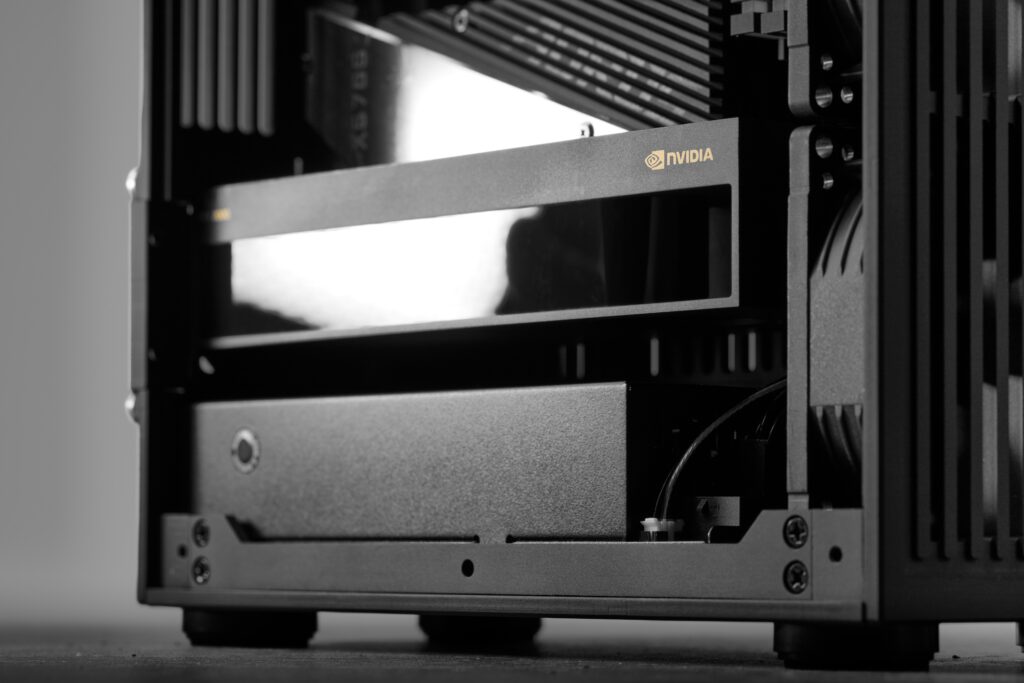
The Dawn of the Blackwell Architecture
In mid-2024, Nvidia began the formal transition to its Blackwell architecture, a successor to the highly successful Hopper platform. This hardware isn’t just an incremental upgrade; it represents a fundamental rethinking of multi-chip design. By utilizing a custom-built 4NP TSMC process, Nvidia has integrated two distinct silicon dies into a single, cohesive GPU. This design choice addresses the physical limitations of current fabrication techniques, allowing for a massive increase in transistor density.
Architectural Breakthroughs and Data Throughput
According to The Verge, the Blackwell GPUs feature a second-generation Transformer Engine that supports dual-precision FP4, effectively doubling the efficiency of AI inference workloads compared to previous iterations. For businesses managing petabytes of data, this translates to faster model training times and lower latency in real-time applications. The interconnect technology, NVLink, has also seen a significant overhaul, facilitating communication speeds of up to 1.8 terabytes per second between chips. This minimizes bottlenecks in high-performance computing clusters.
Impact on Enterprise Infrastructure
For organizations, the deployment of this new hardware offers a clear path toward operational optimization. Unlike previous generations that required expansive, power-hungry server racks to achieve similar throughput, the Blackwell units provide a higher performance-per-watt ratio. This is a critical factor for companies focusing on ESG goals while maintaining high computational availability. Furthermore, the integration with automated workflow systems ensures that these hardware gains are fully leveraged by software pipelines, preventing the ‘idle compute’ trap that often plagues enterprise data centers.
Expert Forecasts and Industry Adoption
Industry analysts remain bullish on the long-term impact of this architecture. While the initial costs of adoption remain high, the long-term ROI is found in reduced training cycles. Expert consensus suggests that within the next 18 months, Blackwell-equipped systems will become the standard for large-scale enterprise automation projects. We expect to see a surge in demand from sectors like finance and biotechnology, where complex simulation and real-time processing are the primary drivers of competitive advantage.
Conclusion
The Nvidia Blackwell GPU is more than a flagship product; it is a catalyst for the next wave of industrial digital transformation. By prioritizing throughput, energy efficiency, and scalability, Nvidia has provided the hardware foundation necessary for the next decade of computational growth. As always, keeping your internal infrastructure aligned with these hardware advancements will remain a cornerstone of effective technology consulting.