
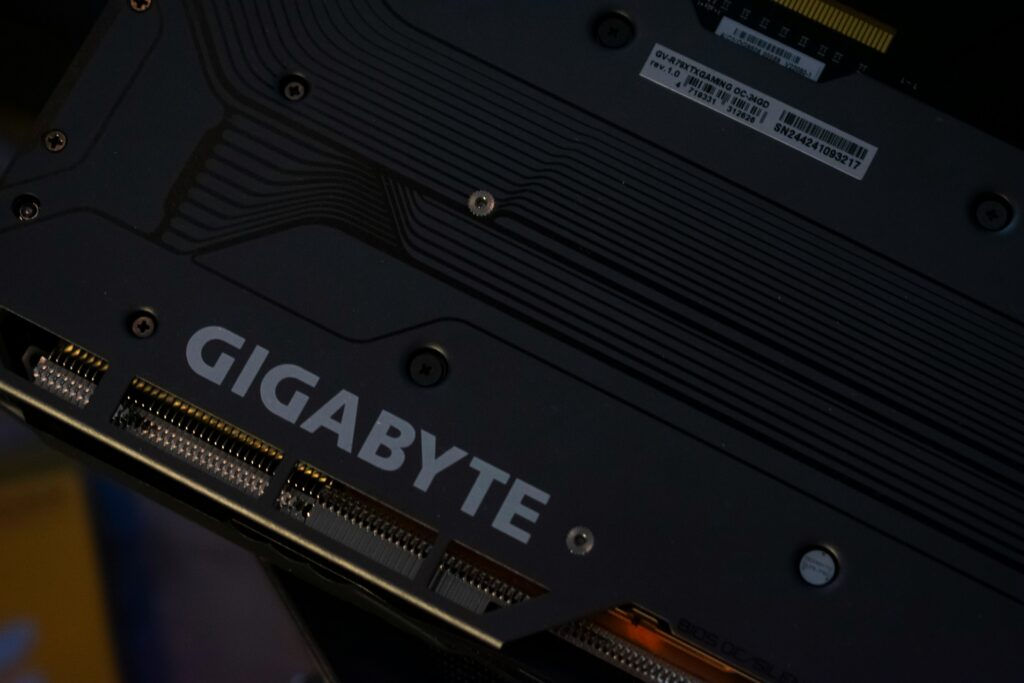
The Dawn of the Blackwell Era
In mid-October 2024, Nvidia confirmed the acceleration of its Blackwell production, signaling a massive scale-up to meet global enterprise demand. Since its initial tease earlier this year, industry experts have scrutinized the architecture for its potential to replace the industry-standard H100 chips. Unlike previous generations, the Blackwell B200 GPU utilizes a unique multi-die design, essentially fusing two silicon dies into one unified component, interconnected by a massive 10TB/s chip-to-chip link.
Technical Precision and Real-World Impact
According to The Verge, Nvidia is currently navigating significant supply chain coordination to ensure these units reach major data centers by Q4. This hardware launch is critical for firms looking to optimize their automation strategy and high-performance workflows. The architecture is specifically optimized for massive-scale parallel processing, allowing for significant improvements in TCO (Total Cost of Ownership) through enhanced energy efficiency per rack compared to the Hopper generation.
The Industry Shift: Beyond Raw Speed
It is not merely about flops; it is about infrastructure sustainability. The integration of Blackwell chips allows enterprises to consolidate their server footprints. By packing more performance into a smaller physical space, businesses can reduce cooling and electricity overheads. For CIOs and CTOs, this hardware represents a strategic pivot point: it enables more complex simulations and real-time data analysis that were previously bottlenecks in the development pipeline.
Future Projections and Expert Sentiment
Industry analysts maintain a bullish outlook on Nvidia’s capacity to maintain market dominance despite emerging competitors in the specialized ASIC space. The consensus is that Blackwell will become the backbone of the next three years of digital infrastructure. While hardware procurement remains competitive, the long-term utility of the architecture is undeniable. Experts suggest that firms adopting this technology early will gain a measurable advantage in their operational agility and processing capacity, essentially “future-proofing” their server environments against the next wave of data-intensive software requirements.
Conclusion
The transition to Blackwell-based systems marks a pivotal moment for technology infrastructure. As hardware capabilities expand, the focus must remain on how these tools integrate into broader organizational workflows. By prioritizing scalable and efficient hardware, companies can ensure their operations remain robust, responsive, and ready for the demands of tomorrow’s computational challenges.