
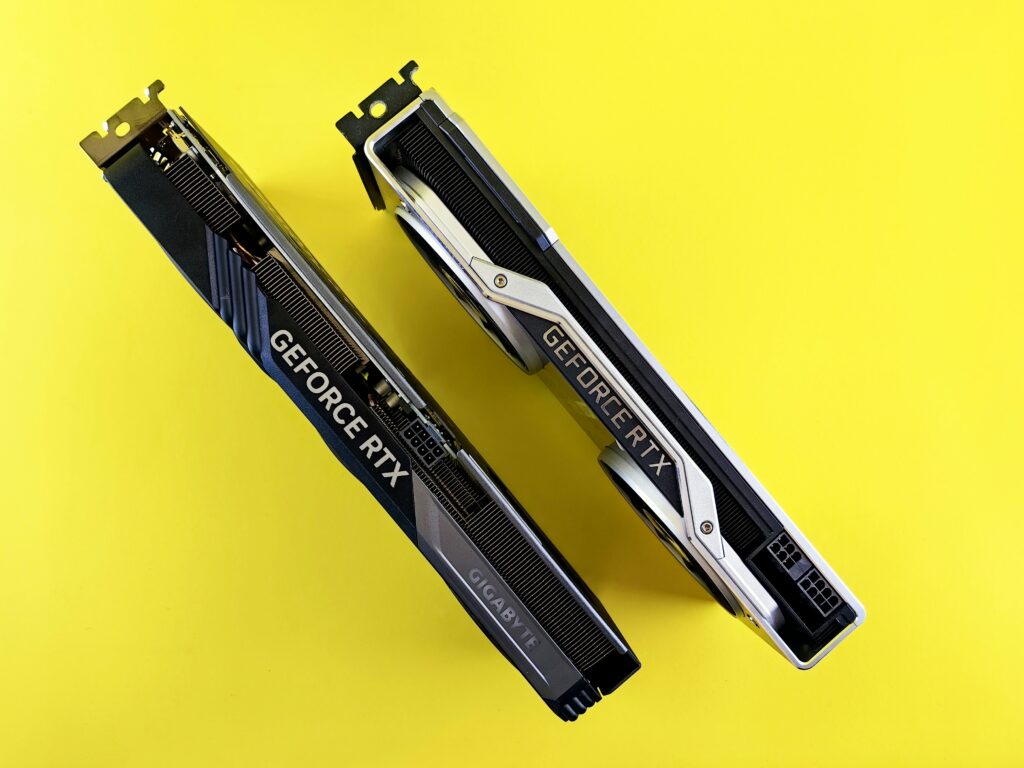
Nvidia has officially marked a new chapter in semiconductor history with the Blackwell GPU platform. Announced to address the escalating complexity of large-scale models, this hardware represents a significant departure from the previous Hopper architecture. The focus is no longer just on raw clock speed, but on inter-chip connectivity and energy efficiency at scale.
The Architecture Behind the Power
The core innovation of the Blackwell architecture lies in its multi-die design, essentially functioning as a single, massive GPU. According to official data from Nvidia’s investor documentation, the GPU boasts 208 billion transistors, manufactured using a custom-built 4NP TSMC process. This density is necessary to manage the trillions of parameters found in contemporary compute-heavy workloads.
Data Centers and Energy Efficiency
Beyond pure performance, the industry is increasingly focused on the “performance per watt” metric. As data centers consume more electricity, the Blackwell architecture introduces a second-generation transformer engine. This allows for precise hardware acceleration, reducing the power drain typically associated with high-throughput training and inference tasks. For consulting firms looking to optimize their clients’ IT stack, this hardware is a game-changer for reducing overhead costs while increasing output.
Impact on Global Industries
The ripple effect of this release extends far beyond the Silicon Valley ecosystem. Financial services, healthcare diagnostics, and climate modeling research are all poised to benefit from the reduced latency offered by Blackwell. By integrating these systems into cloud environments, organizations can move from prototype to production at speeds previously considered impossible.
The Perspective on Future Integration
Industry analysts suggest that hardware deployment is only the first step. The real value lies in how businesses orchestrate these high-powered systems within their existing alur kerja (workflows). As we explore in our previous deep dive into data center automation, hardware is only as good as the software layer that manages its resources. Therefore, companies investing in Blackwell should simultaneously audit their automated orchestration tools to ensure they can fully exploit the GPU’s multi-tenant capabilities.
Expert Predictions
Looking ahead, the market trend is shifting toward specialized silicon. We anticipate that Nvidia will continue to refine the inter-connect speed between GPUs, effectively making the data center the new unit of computing. Organizations that fail to plan for this level of hardware density risk falling behind in the competitive race for digital transformation.
Ultimately, the Blackwell GPU is not just a component; it is an foundational piece of infrastructure for the next decade of digital growth. As the market matures, the transition from legacy hardware to these next-gen processors will define the winners in the tech-consulting space.