
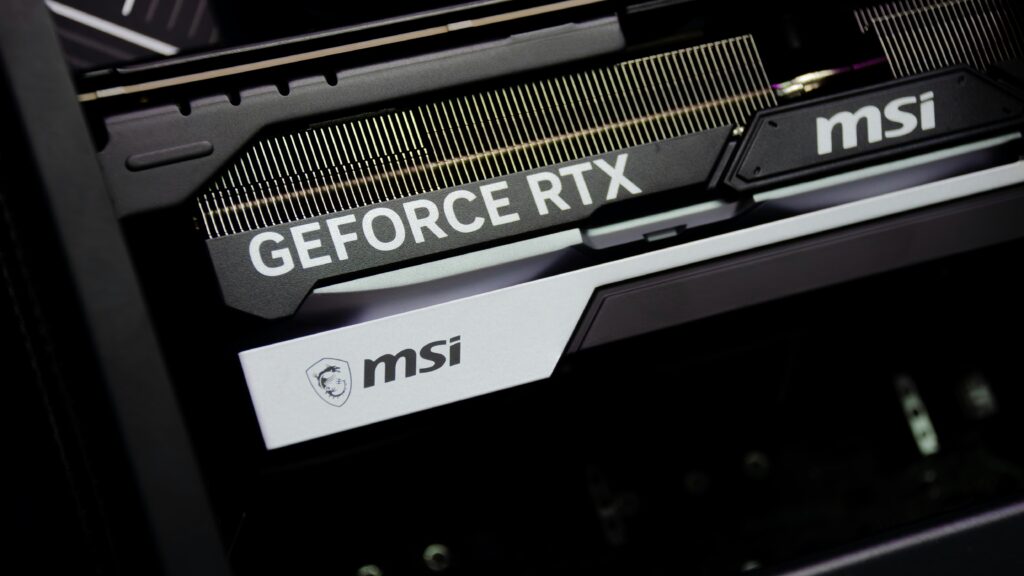
The Arrival of Blackwell: A New Era for Computing
In mid-November 2024, Nvidia confirmed that it has begun shipping the Blackwell AI chips to key enterprise partners, including Microsoft, Oracle, and CoreWeave. This announcement marks a turning point for data center hardware, as these chips are specifically engineered to train and deploy trillion-parameter Large Language Models (LLMs) with far greater efficiency than the preceding Hopper architecture.
Engineering Breakthroughs and Industry Impact
According to official technical briefs from Nvidia, the Blackwell platform integrates two reticle-limited dies into a single chip, connected by a 10TB/s chip-to-chip link. This design effectively overcomes the physical limitations of single-die processors. By reducing energy consumption and complexity for heavy-duty workloads, the platform is positioned to accelerate the deployment of intelligent systems across finance, healthcare, and logistics sectors.
As noted in recent reporting by The Verge, the ramp-up of these shipments is critical to meeting the insatiable global demand for AI compute. Companies that adopt these chips early are expected to see significant reductions in cost-per-inference, allowing for more sustainable growth in automated workflow adoption.
The Strategic Perspective for Modern Businesses
For those of us in the technology consulting space, hardware is only half the battle. Integrating these GPUs into existing enterprise environments requires a robust architecture. If your business is scaling rapidly, you must ensure your underlying infrastructure can support the throughput Blackwell provides. For a deeper dive into optimizing your current tech stack, read our guide on optimizing enterprise workflows to prepare for these high-performance hardware integrations.
Future Predictions and Expert Outlook
Industry analysts project that the integration of Blackwell GPUs will allow organizations to shift from experimental AI to production-grade, autonomous operations. By 2025, we anticipate that hardware-accelerated automation will become the standard for predictive analytics and real-time operational efficiency. Businesses that remain tethered to legacy hardware will likely struggle with the latency and scaling costs inherent in handling next-generation workloads.
In conclusion, the rollout of the Blackwell GPU is a game-changer for the industry. While the initial demand currently outweighs supply, forward-thinking organizations should begin auditing their infrastructure needs today to ensure they are ready for the performance revolution that this hardware brings.