
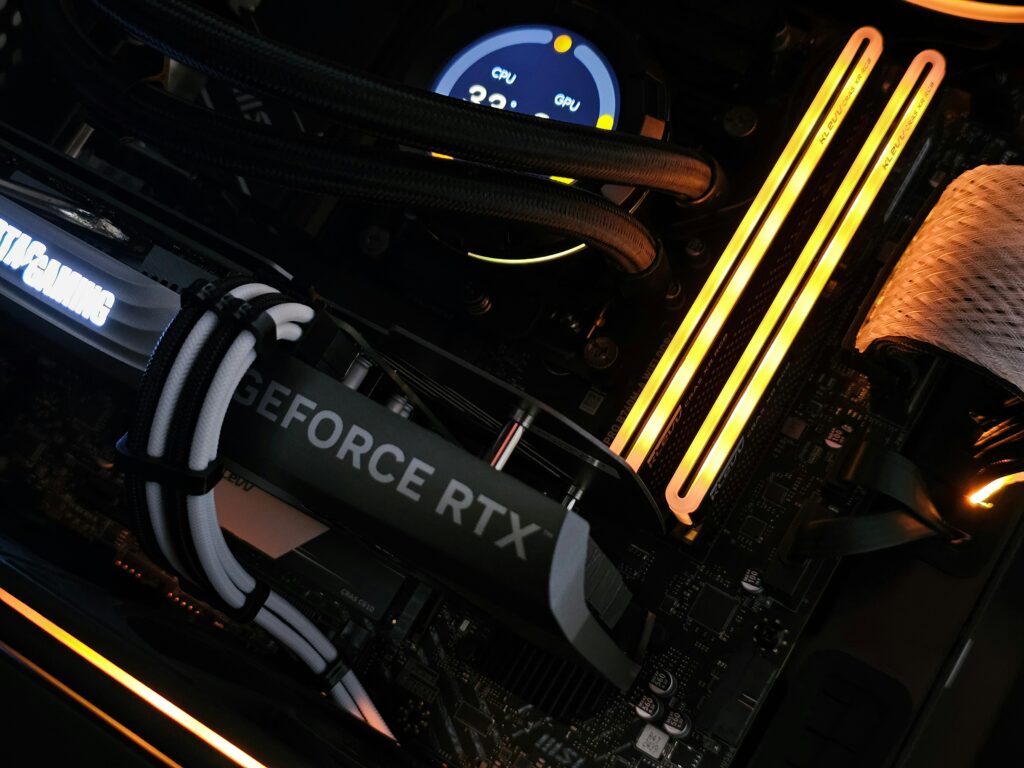
The Emergence of the Nvidia Blackwell GPU
In a series of recent updates surrounding their production timelines, Nvidia has solidified its position at the forefront of the hardware revolution. The Blackwell architecture, unveiled to meet the skyrocketing demands of large-scale computational models, is designed to offer unprecedented performance gains over its predecessor, the Hopper architecture. By utilizing a multi-chip design, Nvidia has managed to overcome the physical limitations of single-die silicon, allowing for massive scaling in data center environments.
Technical Prowess and Efficiency
According to reports from The Verge, the architecture focuses heavily on energy efficiency and throughput. With the global demand for energy in AI-driven data centers reaching record highs, Blackwell’s ability to deliver more performance per watt is a game-changer. This hardware development is critical for enterprises that are currently optimizing their workflows to accommodate advanced automation and complex data processing tasks.
Impact on Enterprise Workflow Automation
At ByteTechScope, we recognize that hardware is only as good as the software workflows built upon it. Integrating Blackwell-based systems into an existing tech stack requires a nuanced approach to system architecture. Companies are not just buying faster chips; they are buying the capability to run real-time simulations and decision-making processes that were previously impossible. For those interested in how these hardware leaps influence software strategy, explore our guide on optimizing enterprise workflows to see how we bridge the gap between high-end hardware and operational efficiency.
Expert Predictions and Market Outlook
Industry analysts maintain that while supply chain constraints remain a topic of discussion, the release of Blackwell signifies a new era. The market is shifting from merely ‘adopting technology’ to ‘engineering high-performance ecosystems.’ We anticipate that the next 18 months will see a surge in specialized data centers designed specifically to cool and power these high-density racks. The long-term implication is a lower barrier to entry for complex computing tasks, potentially democratizing access to high-power processing for mid-sized enterprises.
Conclusion
The Nvidia Blackwell GPU is clearly the hardware milestone of the year. As these chips move into data centers globally, the businesses that successfully integrate this compute power into their automated pipelines will undoubtedly lead their respective sectors. Technology moves fast, and staying informed is the first step toward effective implementation.