
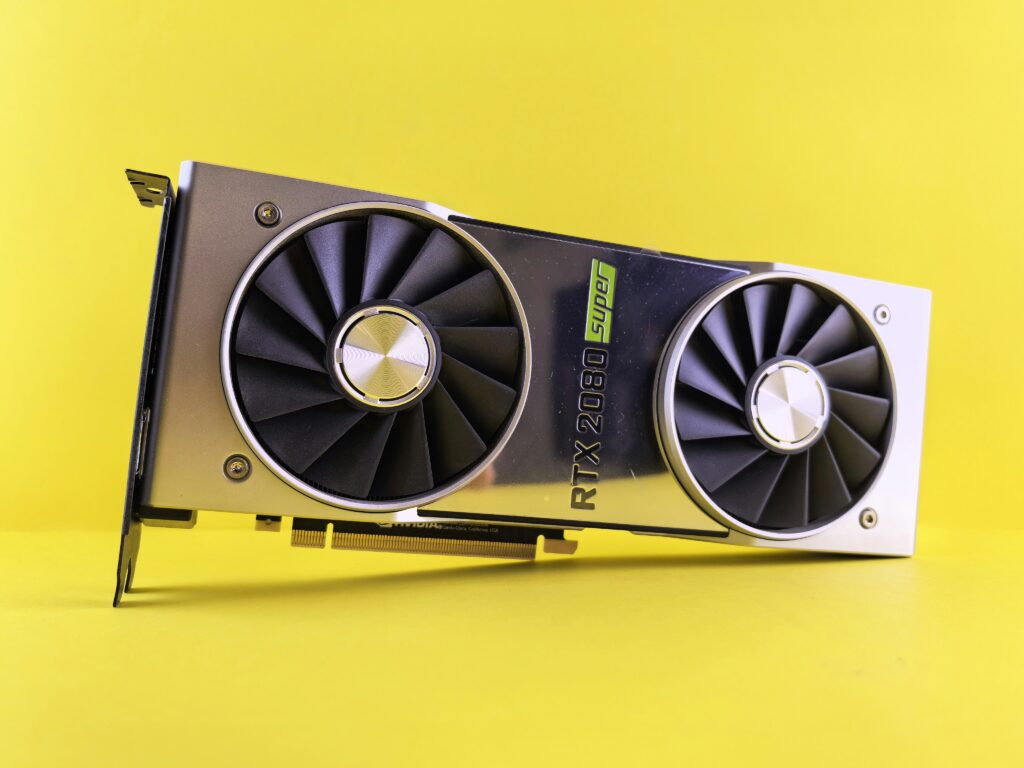
The Arrival of Blackwell Architecture
On March 18, 2024, at the GTC conference, Nvidia officially introduced the Blackwell GPU architecture. This release follows a significant period of anticipation, marking a departure from the previous Hopper generation. The new architecture is specifically engineered to address the exponential growth in machine learning model complexity, providing an unprecedented performance-per-watt increase that has caught the attention of cloud providers and global enterprises alike.
Technical Specifications and Architectural Brilliance
At the heart of the Blackwell platform lies the B200 GPU, a feat of engineering that utilizes a dual-die chiplet design interconnected by a 10 TB/s chip-to-chip link. According to The Verge, this design allows for a massive scaling of processing power while maintaining thermal efficiency. The inclusion of second-generation transformer engines and advanced interconnect technologies positions the Blackwell series as a foundational component for the next decade of infrastructure development.
Impact on Enterprise Automation and Workflow
For organizations focusing on automation, the implications of such hardware cannot be overstated. High-end hardware serves as the engine room for the intelligent systems we implement at ByteTechScope. When processing latency is reduced by an order of magnitude, the workflows we optimize through our Workflow Automation Solutions become more fluid, allowing for real-time analysis that was previously impossible. This hardware represents a vital upgrade for companies looking to transition from basic automation to deep, predictive analytical processes.
Industry Perspective and Future Outlook
Market analysts suggest that the deployment of Blackwell-based systems will significantly accelerate the time-to-market for proprietary enterprise tools. While full-scale data center integration is still in the early stages, the hardware’s capacity for massive parallel processing provides a glimpse into the future of autonomous systems. It is expected that as supply chains stabilize and these units reach the wider market, we will see a surge in specialized hardware-software synergy, pushing current automation capabilities to their absolute limits.
Conclusion
The Nvidia Blackwell architecture is more than just a spec-sheet update; it is a fundamental shift in hardware potential. As the industry continues to integrate such powerful components, the focus for consultants and businesses alike must remain on how to harness this power to improve operational efficiency. Staying informed on these hardware developments is the first step toward effective long-term technology strategy.