
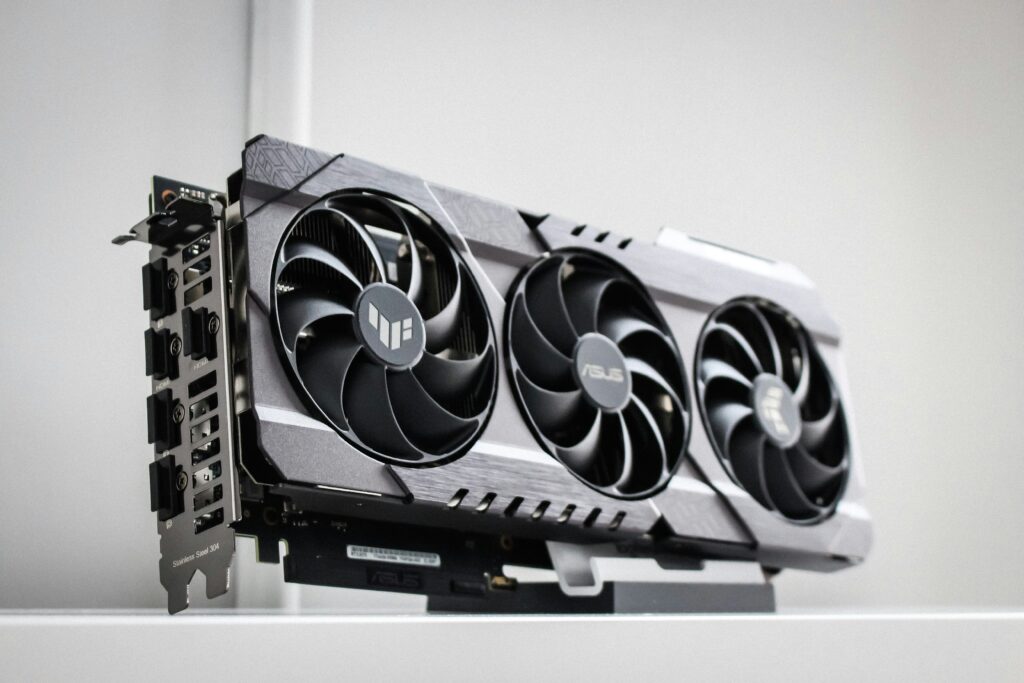
The Dawn of the Blackwell Architecture
In the latest industry update, Nvidia has officially moved into the production phase of its Blackwell B200 GPUs. First announced at GTC earlier this year, the hardware is now reaching enterprise customers, marking the most significant performance jump in the company’s history. This isn’t just an iterative upgrade; it is a fundamental redesign of how GPU memory and interconnects function to support massive computational workloads.
Technical Prowess and Industry Standards
According to Bloomberg Tech, the rollout has been met with both intense excitement and logistical scrutiny as hyperscalers integrate these units into custom rack-scale cooling solutions. The Blackwell chip features 208 billion transistors, utilizing a two-reticle limit design that effectively functions as a single unified GPU. For businesses managing high-stakes workflows, this hardware provides the necessary throughput to process data models that were previously impossible to run in real-time.
The Impact on Operational Efficiency
For organizations already utilizing existing infrastructure, the introduction of Blackwell hardware dictates a need for a shift in capacity planning. We have previously discussed how optimizing server infrastructure is the cornerstone of sustainable growth. The power efficiency per watt offered by Blackwell allows data centers to do more with less physical space, though it requires a significant overhaul of power delivery and cooling systems currently in place.
Expert Predictions and Market Outlook
Industry analysts suggest that the next 18 months will be defined by how quickly providers can stabilize the thermal management of these powerful units. While initial reports of heating issues have made headlines, the consensus remains that the architectural advantages of Blackwell—specifically the second-generation Transformer Engine—provide an unparalleled competitive edge. Businesses should view this not just as a hardware purchase, but as a long-term investment in computational capacity.
Looking Ahead
As we observe these developments, it is clear that hardware innovation is moving faster than the enterprise’s ability to adapt. Staying informed is the first step in successful technology integration. We expect to see more benchmarks surface as the hardware hits wider commercial availability in the coming quarter.