
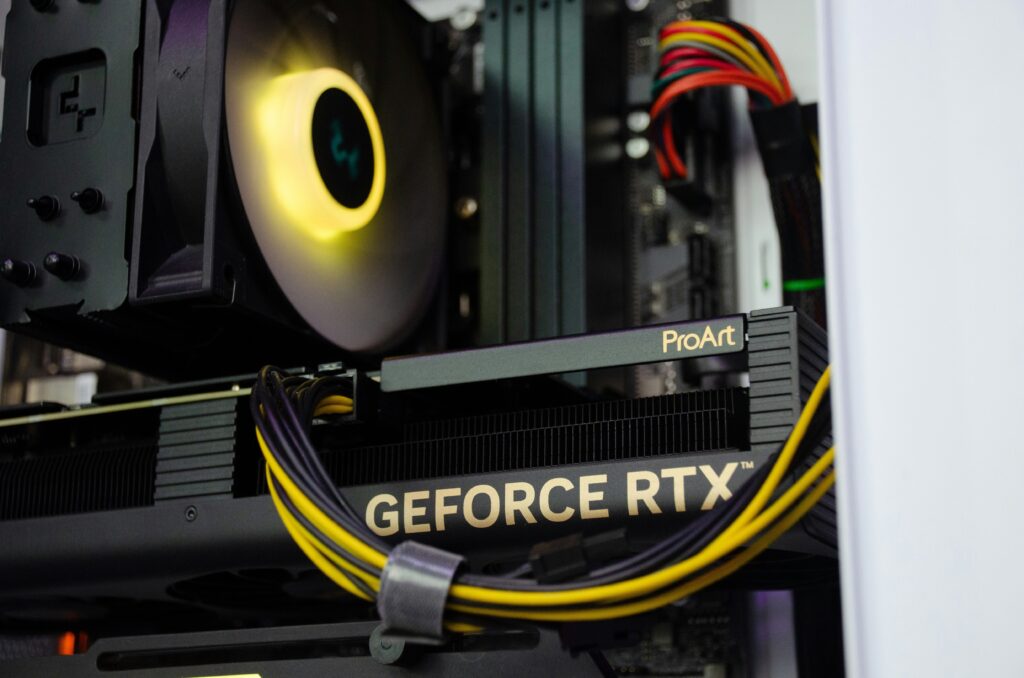
The Emergence of the Blackwell Architecture
In a series of recent updates confirming the status of their production cycle, Nvidia has positioned the Blackwell GPU as the engine for the next era of industrial intelligence. Officially unveiled to address the limitations of the previous Hopper generation, Blackwell is engineered to tackle the bottlenecking issues often found in large-scale data center environments. With a focus on energy efficiency and unprecedented FLOPs, the hardware addresses the growing disparity between data volume and processing speed.
Data-Driven Performance Metrics
According to Bloomberg Tech, the production volume of these chips is reaching a critical inflection point as demand from AI-first enterprises hits record highs. The architectural design features a two-reticle GPU design that effectively acts as a single, unified processor, providing massive throughput for parallel processing tasks. For businesses, this means training periods for custom machine learning models could be reduced from months to mere weeks, drastically improving the ROI on automation projects.
Strategic Impact on Industrial Automation
The implications for workflows are profound. In our previous analysis on optimizing enterprise workflows, we emphasized the necessity of hardware stability to support software agility. With Blackwell, companies can finally run real-time digital twins of their supply chains with a level of fidelity previously reserved for high-end research facilities. The ability to simulate physical outcomes before moving to production reduces overhead and accelerates time-to-market.
The Future of Enterprise Hardware
Industry experts suggest that we are entering a phase where compute capacity is the primary differentiator between market leaders and followers. While current availability is constrained by high demand, early adopters who integrate these systems into their existing stacks are seeing significant gains in processing speed. As global hardware infrastructure evolves, the challenge shifts from ‘how to get the data’ to ‘how to process it effectively.’ Looking ahead, we expect more specialized integration software to emerge that fully exploits these hardware capabilities, bridging the gap between raw power and business utility.
Conclusion
Nvidia’s Blackwell platform is undeniably a game-changer. For leadership teams, the decision to invest in next-generation hardware is no longer just about IT spend; it is a fundamental strategic move. By understanding the technological underpinnings of these devices, organizations can make informed decisions that secure their competitive edge in an increasingly automated world.