
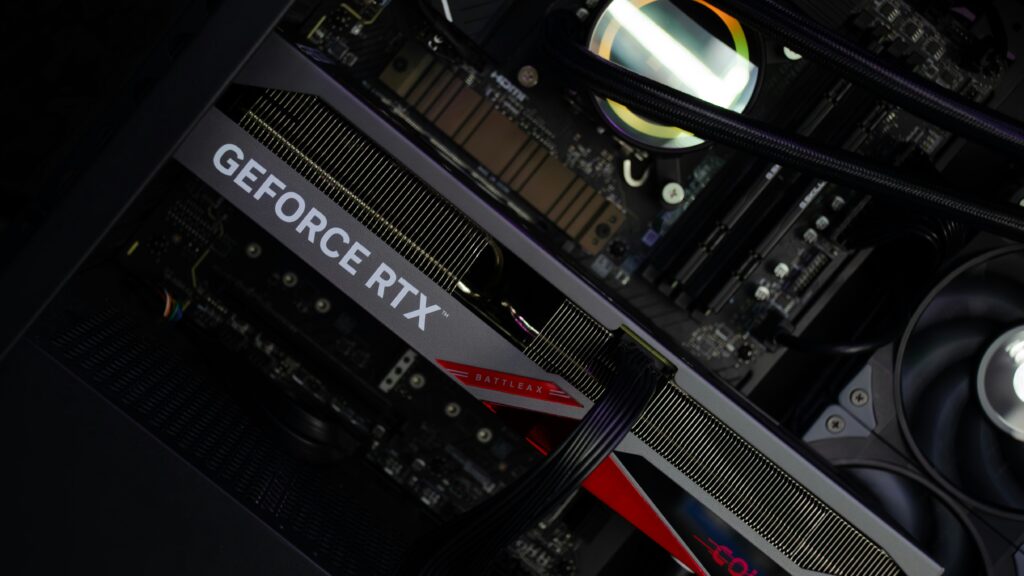
The Emergence of Blackwell Architecture
In mid-2024, Nvidia initiated the distribution of its highly anticipated Blackwell GPU series. This architectural advancement is specifically designed to facilitate the next generation of generative models and real-time computing tasks. Unlike its predecessors, Blackwell utilizes a dual-die design connected via a high-speed interconnect, allowing for unparalleled communication speeds between processing units. For organizations investing in large-scale infrastructure, this implies a reduction in training time for complex algorithmic models.
Industry Impact and Technical Efficiency
Data from recent industry reports suggests that the shift toward Blackwell is driven by the necessity for lower latency in enterprise-grade server environments. According to Bloomberg Tech, the integration of these GPUs into server racks is expected to optimize energy consumption per watt significantly. For IT leaders, this isn’t just about raw speed; it is about sustainable scaling. As we move toward more autonomous workflows, the ability to process petabytes of data without overwhelming server room power limits becomes a competitive advantage.
Integrating High-Performance Hardware into Workflows
Consulting on technology infrastructure often requires balancing cutting-edge performance with budget realities. At ByteTechScope, we have explored the necessity of automating data center management to ensure that these new hardware investments are utilized to their full potential. Implementing Blackwell-ready hardware requires a comprehensive review of existing cooling systems and electrical distribution, as the power demands of these chips are substantial.
Future Outlook: Beyond the Silicon
Industry experts predict that the deployment of Blackwell-based systems will bifurcate the market between companies that prioritize modular, high-compute capacity and those that remain tethered to older, less efficient hardware. We expect to see a surge in specialized data center designs tailored to accommodate the physical and thermal profile of these GPUs. While the industry is currently in the early phase of this rollout, the trajectory suggests that high-performance computing will become a standard requirement for maintaining market leadership in the coming decade.
As organizations prepare for this transition, the focus should remain on integration strategies. Adopting the latest hardware is merely the first step; the true value lies in the software and automation layers that allow these GPUs to communicate efficiently with enterprise applications.