
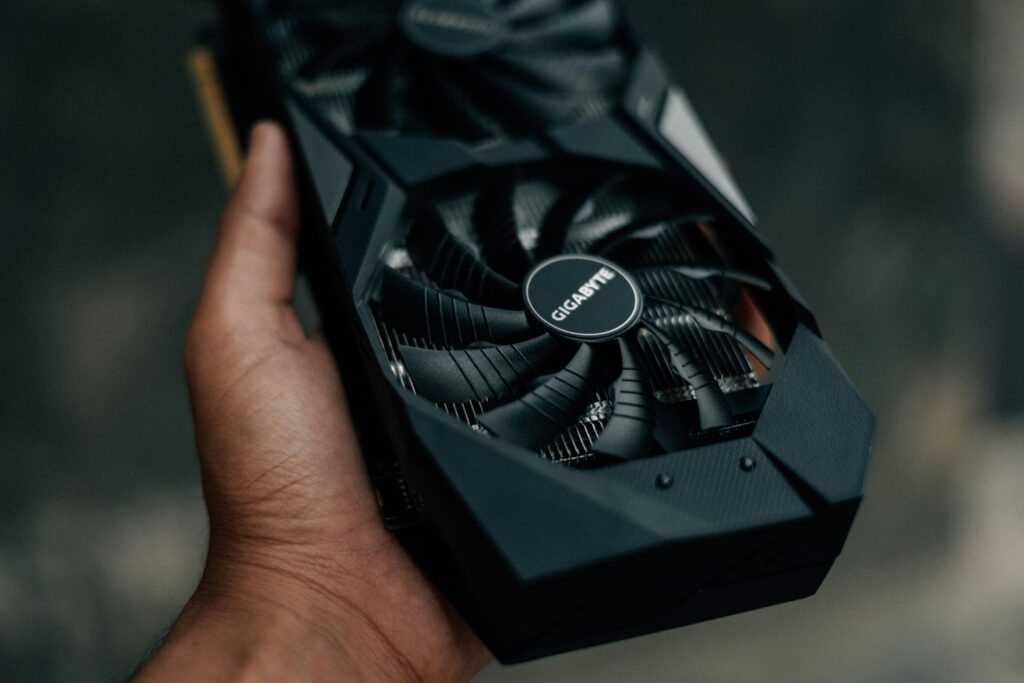
The Emergence of Blackwell Architecture
In recent updates throughout the last seven days, Nvidia has confirmed that its Blackwell-based processors are officially in full production. This represents the next-gen evolution in GPU technology, specifically designed to handle the astronomical demands of modern AI training and inference. Unlike previous generations, the Blackwell architecture utilizes a multi-die design that links two silicon dies into a single, unified GPU, interconnected by high-speed links to ensure seamless data flow.
Setting New Performance Standards
According to official reporting from The Verge, the ramp-up for these chips has been massive, with significant demand from major cloud providers. The technical specifications suggest that these chips will deliver up to 30x performance gains for specific large language model workloads compared to the H100 predecessors. For consulting firms, this hardware translates into the ability to run real-time, complex simulations that were previously computationally prohibited, turning theoretical models into actionable operational strategies.
The Business Impact of Next-Gen Hardware
For organizations looking to automate workflows at scale, the implications are profound. High-performance hardware is no longer just for specialized research labs; it is becoming a fundamental requirement for companies that rely on deep data integration. By reducing the energy required for complex training tasks, Nvidia’s innovation allows businesses to scale their computing infrastructure without the linear increase in operational costs. This shift is critical for CIOs focusing on long-term IT sustainability.
Expert Predictions for the Computing Future
Industry analysts speculate that we are entering a phase of ‘compute-first’ business strategy. As Blackwell units reach the market, we expect to see an explosion in ‘agentic’ workflows—systems capable of performing multi-step reasoning autonomously. If you are interested in how your current stack can be optimized for such upgrades, check out our recent guide on optimizing enterprise workflows for future-ready infrastructure.
Conclusion
The transition to Blackwell hardware is a pivotal moment for global industry. By pushing the boundaries of what silicon can achieve, Nvidia is effectively lowering the barrier to entry for high-stakes computation. While initial supply chains remain under immense pressure due to high demand, the long-term outlook for organizations that adopt this technology early is clear: unmatched efficiency and competitive advantage in a data-driven world.