
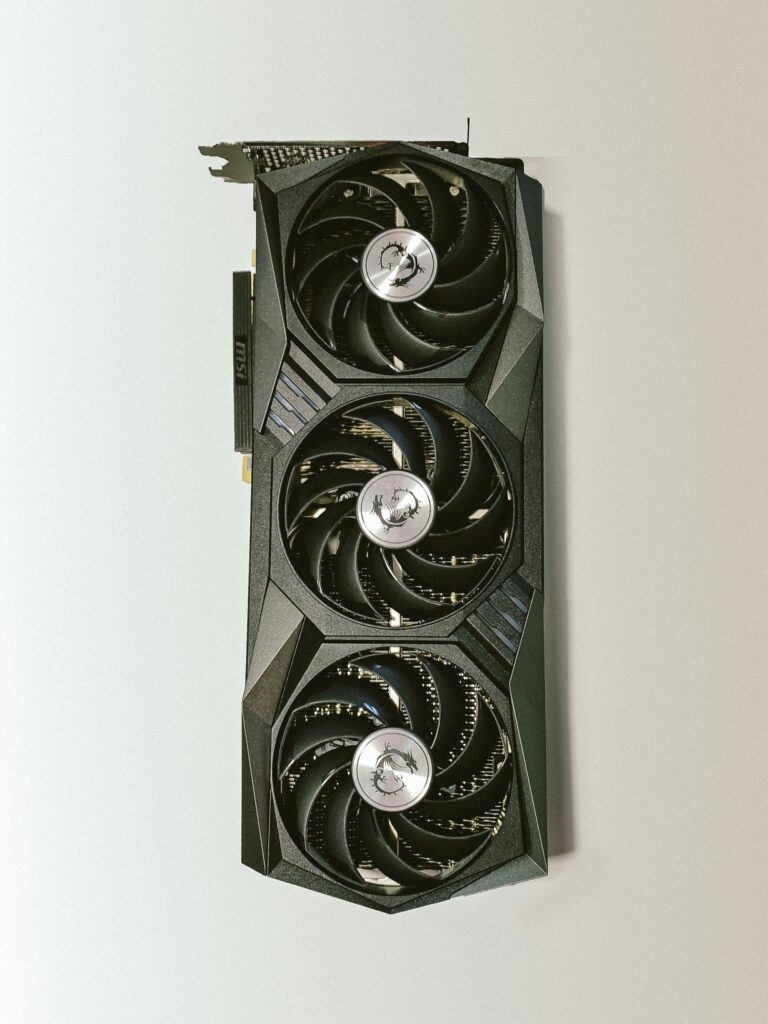
The Evolution of Compute: Understanding Nvidia Blackwell
In mid-2024 and continuing into the current quarter, Nvidia has been center stage with the transition from its Hopper architecture to the more powerful Blackwell series. Designed specifically to address the exponential growth in demand for large-scale data processing, these chips are not just an iteration; they represent a fundamental redesign of how we approach GPU-accelerated computing. The architecture features dual-die design, essentially doubling the performance capacity of its predecessors while optimizing power consumption, which remains a critical pain point for data centers worldwide.
Official Performance Metrics and Industry Impact
According to recent reports from Bloomberg Tech, the Blackwell GPU offers significantly higher throughput for massive computational tasks compared to the previous H100 units. For enterprises, this means the ability to run more complex simulations, handle larger dataset training, and achieve faster time-to-insight. This technological advancement is being integrated into infrastructure stacks by major cloud providers, signaling a shift in how businesses should view their procurement of hardware assets.
The Practical Advantage for Workflow Automation
While the raw power of these GPUs is often discussed in the context of research labs, the trickle-down effect for corporate workflow automation is substantial. By providing lower latency and higher processing density, these chips allow for the deployment of complex, real-time automation frameworks that were previously bottlenecked by hardware limitations. For deeper insights on how these infrastructure upgrades fit into your existing digital ecosystem, explore our guide on scaling digital infrastructure.
Industry Predictions and Future Outlook
Industry analysts anticipate that the full impact of the Blackwell deployment will be realized in the latter half of the year as supply chains stabilize. We are entering an era where hardware constraints are finally catching up to the ambitious goals of software architects. Looking ahead, we expect to see a move toward more modular data center designs, where Nvidia’s latest hardware enables hyper-efficient load balancing across distributed networks. While initial reports on shipping timelines have been closely watched, the consensus remains that Blackwell will set the standard for enterprise-grade hardware for the next 24 months.
Conclusion
The transition to Blackwell is more than just a hardware refresh; it is a vital step in the maturation of global compute capacity. Companies that align their long-term digital strategy with these advancements will undoubtedly find themselves with a competitive edge, capable of deploying automation solutions that were previously out of reach.