
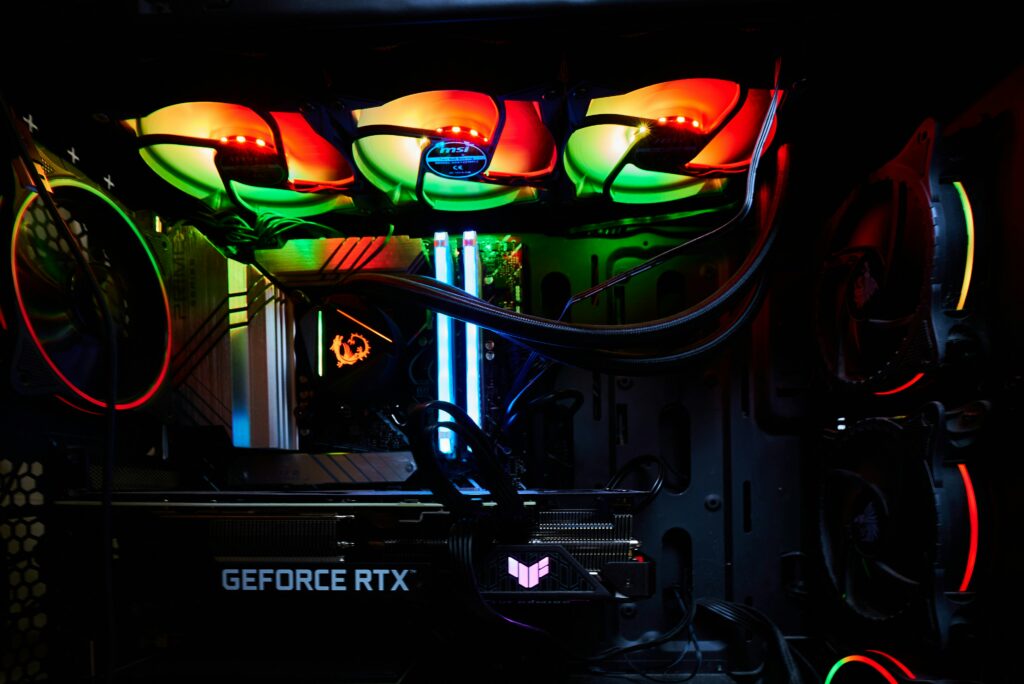
The Rise of the Nvidia Blackwell Architecture
In mid-October 2024, Nvidia confirmed that it is moving full steam ahead with the production of its Blackwell-based GPUs, addressing initial design bottlenecks. These chips are not merely an iterative update; they are a fundamental rewrite of how data centers manage intensive workloads. By utilizing a multi-chip design, Nvidia has managed to overcome physical limitations that once hindered the performance of single-die processors.
Technical Prowess and Efficiency Gains
Data suggests that the Blackwell architecture provides significant improvements in energy efficiency and computational throughput compared to the preceding H100 units. According to statements from The Verge, the demand for these chips is unprecedented, reflecting a global shift toward infrastructure capable of handling real-time, complex data automation. For organizations relying on large-scale data sets, this hardware represents a clear pathway to reduced operational overhead.
Impact on Industry Automation
The integration of Blackwell GPUs into cloud infrastructure is expected to accelerate the development of autonomous workflows. Unlike previous iterations, Blackwell is built specifically to support high-speed, parallel processing that is essential for machine learning operations (MLOps). For further context on how your enterprise can optimize current infrastructure, check out our recent analysis on optimizing AI infrastructure for business scalability.
Expert Predictions for the Coming Year
Industry analysts expect that by Q1 2025, the presence of Blackwell-equipped servers will become the standard for tier-one cloud providers. We predict that the hardware bottleneck will begin to ease as supply chain logistics catch up with the sheer volume of orders. Companies that adopt these systems now will likely gain a competitive advantage in processing latency and algorithmic precision.
A Pragmatic Approach to Hardware Investment
While the urge to secure the latest hardware is strong, decision-makers must balance raw power with practical integration. Upgrading to Blackwell is a significant capital expenditure; it is crucial to ensure that your existing software architecture can fully utilize the increased bandwidth. We suggest a phased approach, prioritizing mission-critical workloads first to maximize ROI while testing the performance gains in real-world scenarios.