
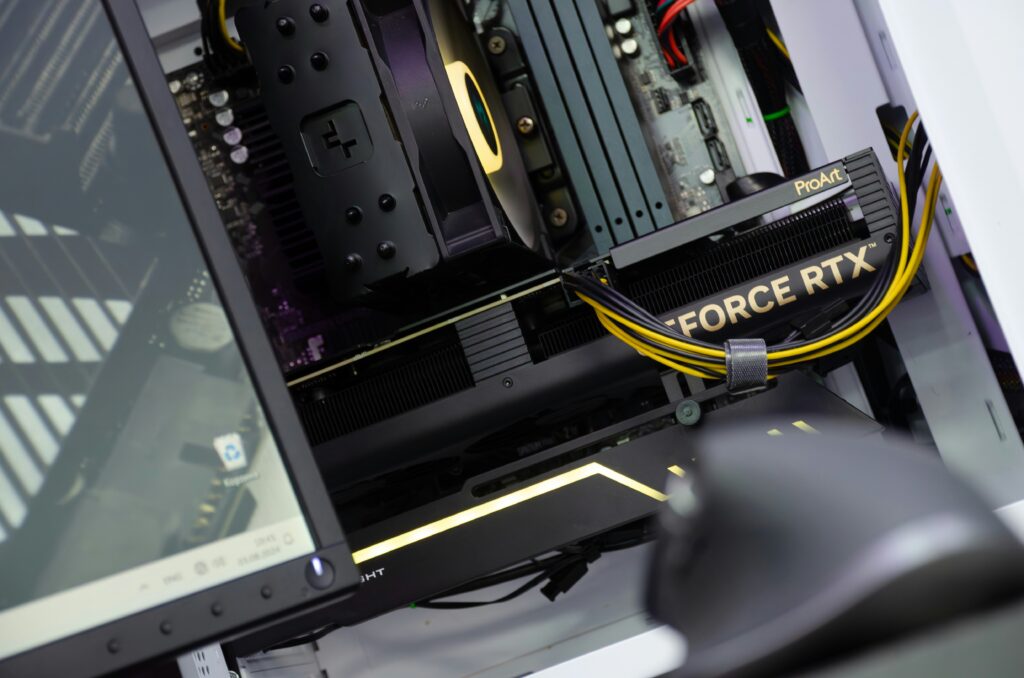
The Architecture Behind the Next-Gen Power
Nvidia’s Blackwell platform, officially entering the early production and distribution phase, represents more than just a minor spec bump. It is a fundamental redesign of how GPUs handle parallel processing. At its core, the architecture integrates 208 billion transistors, manufactured using a custom-built 4NP TSMC process. This density is not merely for show; it is engineered to solve the bottleneck issues currently facing large-scale compute clusters.
Data-Driven Performance Metrics
According to official statements from Nvidia, the Blackwell architecture aims to deliver up to 30x the performance for large language model inference compared to the previous Hopper generation. For technical decision-makers, this is a critical data point. When we examine the hardware specifications, the second-generation Transformer Engine is the standout feature, enabling the chip to adjust precision levels dynamically. This flexibility allows for faster processing without sacrificing the accuracy required for high-stakes enterprise applications.
Impact on Industry Automation
What does this mean for industries currently leaning into automation? Beyond the buzz, the Blackwell GPU is positioned to significantly lower the operational costs of running complex neural networks. By reducing the energy required for inference by up to 25x, Nvidia is essentially making ‘intelligent systems’ more sustainable for the average enterprise. This aligns perfectly with the strategic goals of firms currently optimizing their internal AI automation workflows to reduce latency and overhead.
Expert Predictions and Market Outlook
Market observers at The Verge have noted that while the initial rollout faced minor manufacturing hurdles, the overall demand remains unprecedented. We anticipate that as availability increases, we will see a shift in how medium-sized enterprises architect their private clouds. Instead of relying solely on generic server clusters, companies will pivot toward GPU-accelerated infrastructures to handle proprietary data sets.
Final Thoughts on Hardware Evolution
The transition to Blackwell-based hardware is a marathon, not a sprint. Businesses should focus on assessing their current compute intensity before investing in these high-end assets. As we integrate these tools into existing ecosystems, the priority must remain on scalable architecture rather than raw power alone. Stay ahead of these hardware shifts by monitoring how infrastructure maturity drives your business capabilities.