
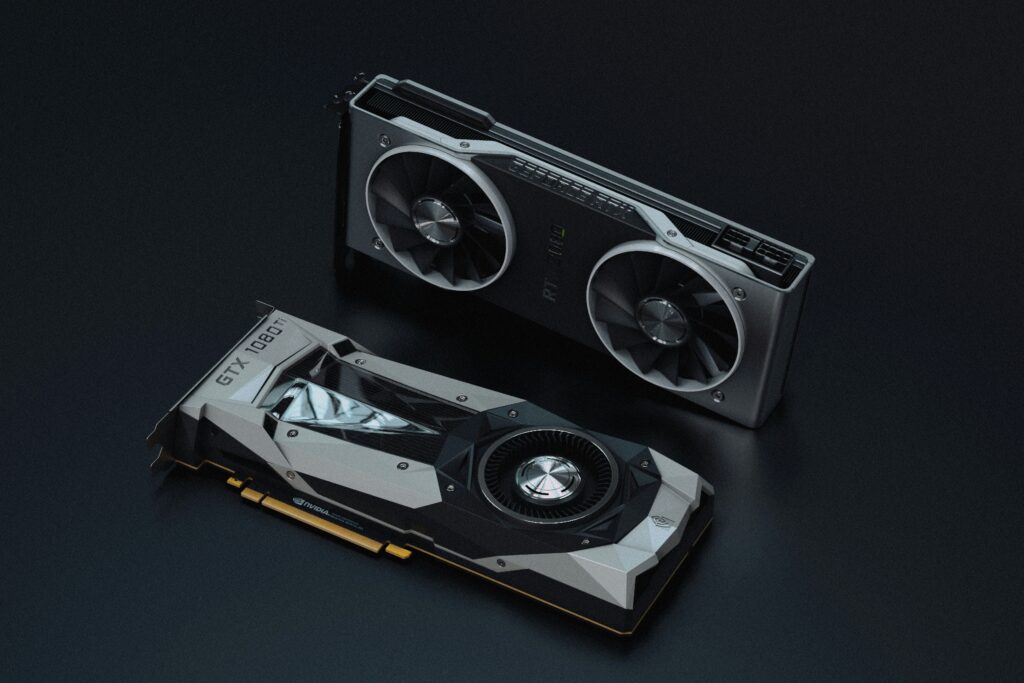
On October 2024, Nvidia confirmed the initial shipments of its highly anticipated Blackwell GPU architecture, marking a pivotal moment in the hardware sector. Following the initial unveiling earlier this year, the tech giant has begun delivering these chips to major cloud service providers and data center operators. This rollout is not merely a product launch; it is an evolution of how compute-intensive tasks, from large-scale simulations to complex automation, are handled at a hardware level.
Understanding the Blackwell Architecture
At the core of the Blackwell B200 is a dual-die design that utilizes a massive amount of transistor density, effectively doubling the efficiency of its predecessor, the H100. According to official Nvidia statements reported by The Verge, the architecture integrates advanced packaging technologies to ensure high bandwidth and lower power consumption per flop. This shift is critical for companies struggling with the rising energy costs associated with maintaining modern data centers.
The Impact on Enterprise Workflow Automation
For organizations already utilizing advanced workflows, the introduction of Blackwell means that latency is significantly reduced. In our previous analysis on optimizing enterprise workflows, we highlighted how hardware bottlenecks often stall software efficiency. The Blackwell architecture directly addresses these bottlenecks by providing a more robust foundation for high-concurrency environments. Businesses can now expect faster training cycles and more precise real-time analysis, allowing for a more agile approach to technical operations.
Future Predictions and Industry Shifts
Industry analysts suggest that the deployment of Blackwell will catalyze a new wave of hardware-as-a-service models. As hardware becomes more specialized, companies will likely move away from general-purpose servers toward architectures that are specifically tuned for their primary data tasks. While the current supply remains constrained, the long-term prognosis is that this hardware will become the standard for the next decade of digital infrastructure development.
A Balanced View on Hardware Adoption
While the technical specifications are impressive, we must approach such developments with measured optimism. Integrating new hardware into existing enterprise ecosystems requires careful planning. We recommend that IT leaders evaluate their current power infrastructure and software compatibility before transitioning to new GPU clusters. Innovations are transformative only when they are successfully integrated into a cohesive business strategy.