
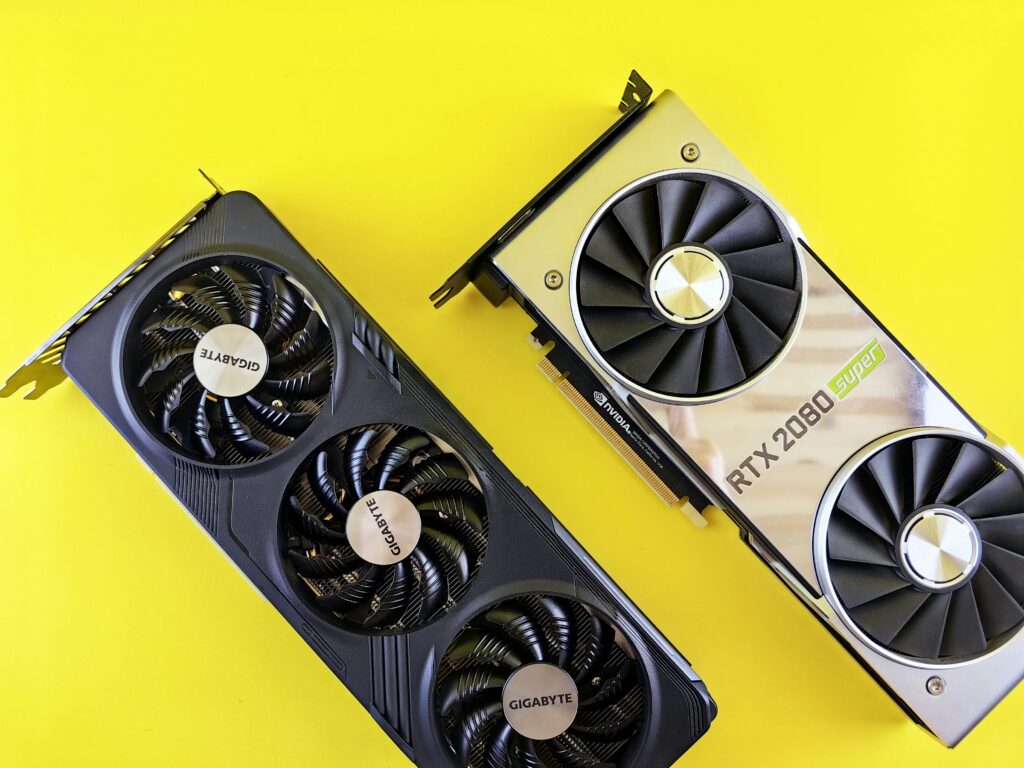
The Dawn of Blackwell Architecture
In mid-October 2024, Nvidia provided critical updates regarding the full-scale production and shipping of its highly anticipated Blackwell GPU architecture. Following earlier delays related to engineering refinements, the company has successfully optimized the design, ensuring that these chips meet the rigorous performance standards required for hyperscale data centers. The Blackwell platform is not merely an iteration but a fundamental rethink of how massive-scale computing is delivered, particularly for intensive workloads that require unprecedented parallel processing capabilities.
Understanding the Technical Leap
At the core of the Blackwell platform is a multi-die design that allows for massive performance gains. According to official communications from Nvidia, the integration of second-generation Transformer Engine technology allows these GPUs to handle complex models with significantly higher efficiency compared to the preceding Hopper architecture. By utilizing a custom-built 4NP TSMC process, Nvidia has pushed the boundaries of transistor density and energy efficiency, a critical factor for firms managing data-heavy environments.
Industry Impact: Beyond Just Speed
For consultants and CTOs, the introduction of Blackwell means more than just a faster clock speed. It changes the economics of workflow automation. Organizations currently struggling with bottlenecks in data processing or large-scale simulation will find the throughput offered by these GPUs to be a game-changer. As we have discussed in our previous insights on streamlining infrastructure, the right hardware backbone is essential for scaling software operations effectively.
The Future of Enterprise Infrastructure
Industry analysts predict that as these units reach broader enterprise availability, we will see a rapid transition in how companies structure their private clouds. The demand for Blackwell is currently exceeding supply, indicating a high-stakes race among cloud service providers to integrate this hardware. Experts suggest that the focus will shift from simple cloud migration to ‘compute-dense’ infrastructure, where the ability to run more processes on less physical hardware becomes the primary competitive advantage.
Conclusion
The arrival of the Nvidia Blackwell GPU signifies a pivotal moment for hardware-centric enterprise strategies. While the full implementation of these chips will take time to ripple through the global supply chain, businesses that proactively plan their hardware architecture will be best positioned to leverage the power of this innovation. As always, keeping your technology stack agile is the most effective way to harness the benefits of emerging hardware.