
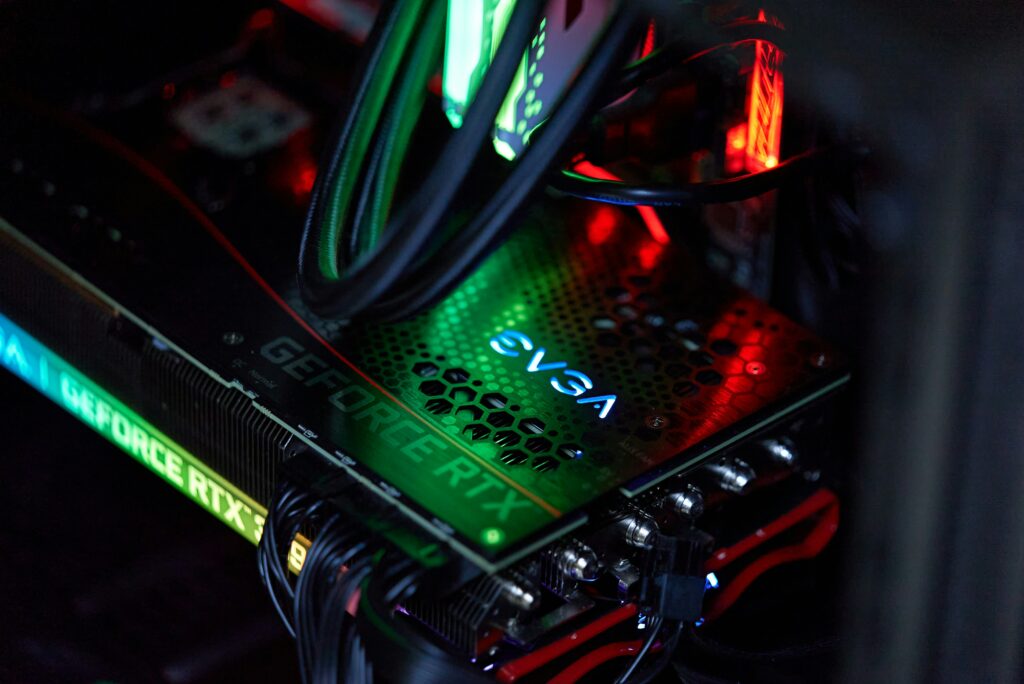
The Rise of Nvidia Blackwell: Engineering the Future
In mid-November 2024, Nvidia confirmed that its Blackwell GPU architecture has reached full-scale production. This milestone represents more than just a minor spec bump; it is a fundamental redesign of how GPU-based systems process complex tasks. By utilizing a dual-die chiplet design, Nvidia has effectively doubled the performance-per-watt efficiency compared to the previous Hopper architecture, marking a critical advancement for companies reliant on massive datasets.
Data-Driven Insights: Why Blackwell Matters
According to recent industry reports from The Verge, the demand for Blackwell units has surged beyond supply, reflecting a desperate need for the computational overhead required by modern LLMs and complex simulation software. These GPUs are not merely faster; they integrate custom-built silicon that significantly accelerates the throughput of data, which is vital for organizations managing real-time enterprise workflows.
Impact on Global Industries and Workflow Automation
For consultants and businesses, the arrival of Blackwell means that automated workflows—previously constrained by hardware latency—can now operate in real-time. Whether it is automated financial modeling or complex supply chain simulations, the reduction in time-to-inference allows for a more agile approach to business operations. Companies that manage to secure these units will likely gain a significant competitive edge by reducing operational bottlenecks that have plagued legacy hardware setups for years. If you are curious about how these infrastructure upgrades influence broader digital transformation, you can explore our insights on cloud architecture and automation.
Expert Predictions: The Long-Term Hardware Shift
Looking ahead, industry experts suggest that the industry is moving away from general-purpose computing toward highly specialized hardware accelerators. While Blackwell is currently the gold standard, we expect the focus to shift toward how software layers—specifically specialized automation tools—can better utilize this increased overhead. The true value lies not just in the hardware, but in the synergy between the GPU architecture and the intelligent software stacks that manage enterprise logic. We are entering an era where hardware constraints are finally loosening, allowing for more ambitious automation at scale.
Conclusion
Nvidia’s Blackwell GPU is more than just a new product; it is the backbone of the next generation of industrial innovation. As businesses begin to receive their shipments and integrate these chips into their server racks, the focus must remain on optimizing the software that powers these engines. Staying ahead in this fast-paced market requires both an eye for the best hardware and a strategic approach to workflow integration.