
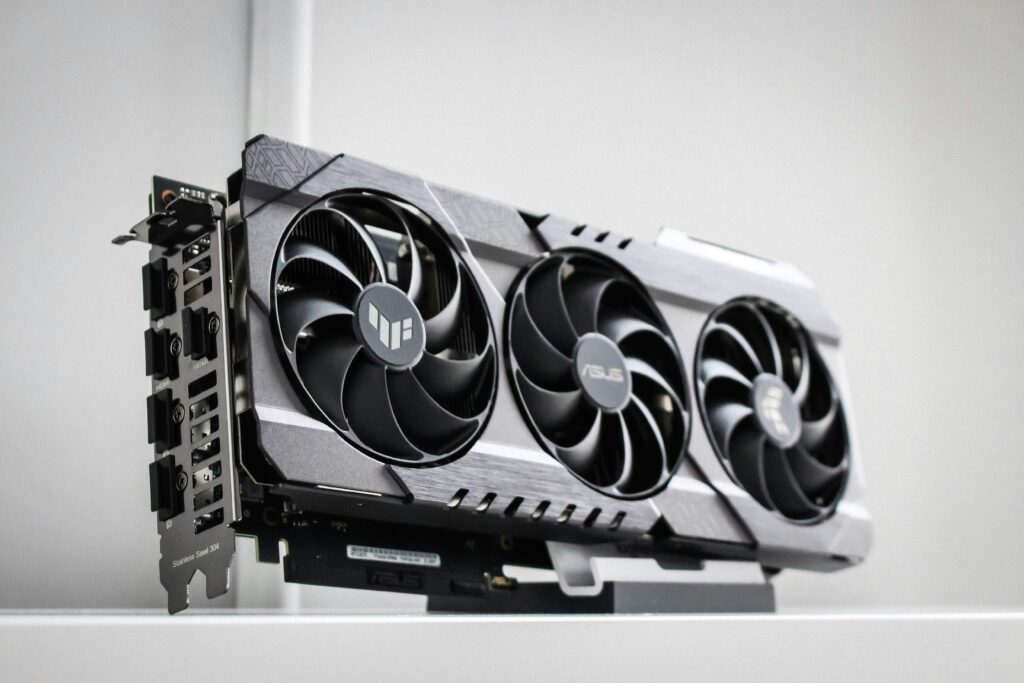
In late 2024, Nvidia confirmed that its highly anticipated Blackwell GPU architecture has reached the mass production phase, with shipments expected to ramp up significantly by the end of the year. This marks a pivotal moment for global data centers, as the industry transitions from the H100 Hopper era to a new standard of performance density. The announcement comes on the heels of sustained demand from hyperscalers like Microsoft, Meta, and Google, who are racing to optimize their infrastructure for more complex generative models.
Architectural Breakthroughs
Unlike previous iterations, the Blackwell platform is built on a custom-made 4NP TSMC process. It features 208 billion transistors, a massive jump that allows for significantly higher throughput. According to official statements from The Verge, the architecture is specifically engineered to reduce energy consumption while increasing training performance by up to 4x compared to the previous generation.
Impact on Enterprise Workflows
For companies consulting on tech infrastructure, the Blackwell release is not just about raw power; it is about efficiency. Businesses currently struggling with latency in their automation pipelines will find that the integration of Blackwell-based systems significantly reduces the time-to-market for proprietary models. This shift directly influences how consultancies approach automation strategy, moving from basic script-based workflows to high-compute intelligent systems.
Looking Toward the Future
Industry analysts suggest that the rollout of Blackwell will likely cause a ripple effect in the hardware market, forcing competitors like AMD to accelerate their Instinct MI series roadmaps. While Nvidia currently holds a commanding lead, the focus for the next 12 months will be on supply chain logistics and integration challenges. As the hardware becomes more available, we anticipate a rise in decentralized data processing, where Blackwell-powered units handle edge-to-core AI tasks with greater agility.
Ultimately, the hardware is only as good as the software ecosystem supporting it. The synergy between Nvidia’s CUDA platform and the new Blackwell silicon will remain the benchmark for the foreseeable future. Organizations should prioritize assessing their current compute requirements against these new benchmarks to avoid architectural debt.