
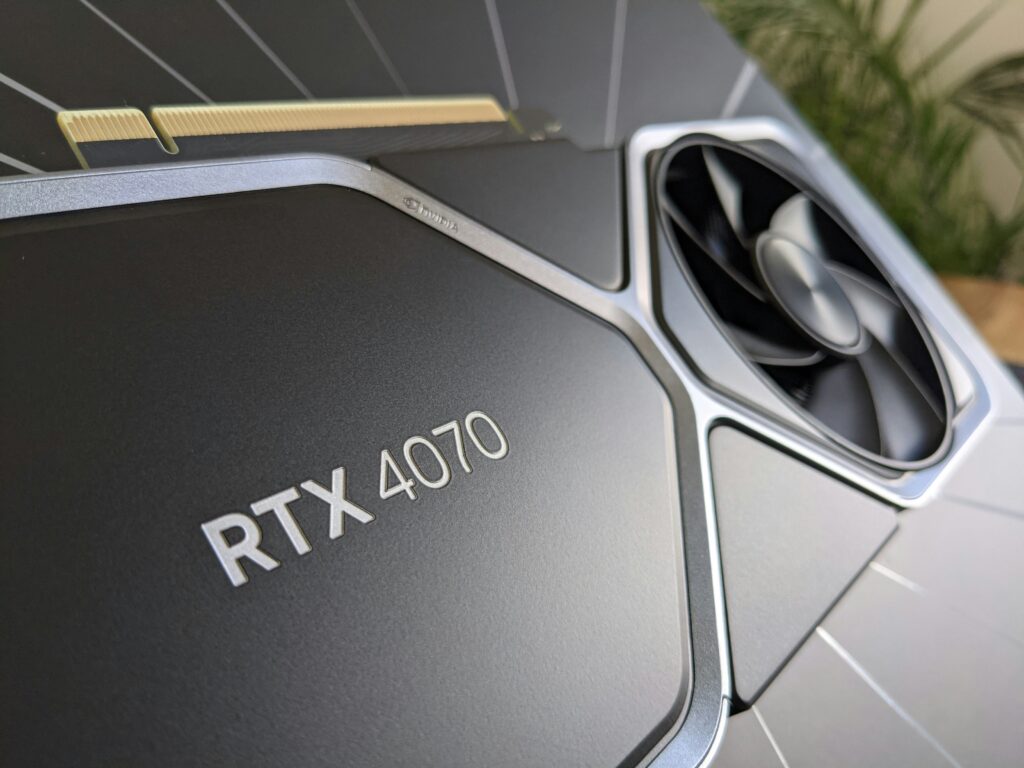
The Rise of Nvidia Blackwell Architecture
In mid-2024, Nvidia began ramping up production of its Blackwell GPUs, marking a significant evolution from the previous Hopper architecture. This hardware is not merely an incremental update; it represents a fundamental rethinking of how massive datasets are processed in real-time. By utilizing a multi-die design and sophisticated interconnect technology, Blackwell allows for unprecedented communication speeds between processor clusters.
Engineering Breakthroughs and Data Precision
According to official technical briefings from Nvidia, the Blackwell B200 GPU utilizes a unique two-reticle-limit design, effectively acting as a single, unified processor. This architecture focuses on reducing latency during memory-intensive operations. Data shared by The Verge highlights how these units aim to solve the “memory wall” problem that has plagued server farms for the past decade, allowing for faster throughput in complex simulation environments.
Implications for Global Enterprise Infrastructure
For organizations, the shift to Blackwell signifies more than just faster hardware. It represents a shift toward more sustainable infrastructure management. By packing more compute power into each rack, companies can theoretically decrease their physical server footprint while maintaining, or even increasing, their output. This is a crucial consideration for firms optimizing their internal workflows through automation and advanced analytical tools. If you are looking to scale your operations, consider reading our guide on optimizing digital workflows to ensure your software stack can keep pace with such hardware improvements.
Industry Predictions and Expert Outlook
Market analysts suggest that the deployment of Blackwell-based systems will likely trigger a massive upgrade cycle in cloud service providers. While currently, the rollout is concentrated among Tier-1 data centers, experts anticipate a trickle-down effect where mid-sized enterprises will gain access to these capabilities via improved cloud-native instances by late 2025. The focus is shifting toward efficiency; as hardware becomes more powerful, the bottleneck is increasingly moving toward the software orchestration layer.
Conclusion
Nvidia’s Blackwell represents the apex of modern hardware engineering. While the immediate focus is on raw performance, the secondary impact—energy efficiency and density—will prove far more valuable for long-term business strategy. Staying ahead means monitoring these hardware shifts closely, as they dictate the ceiling for what your digital tools can achieve in the years to come.