
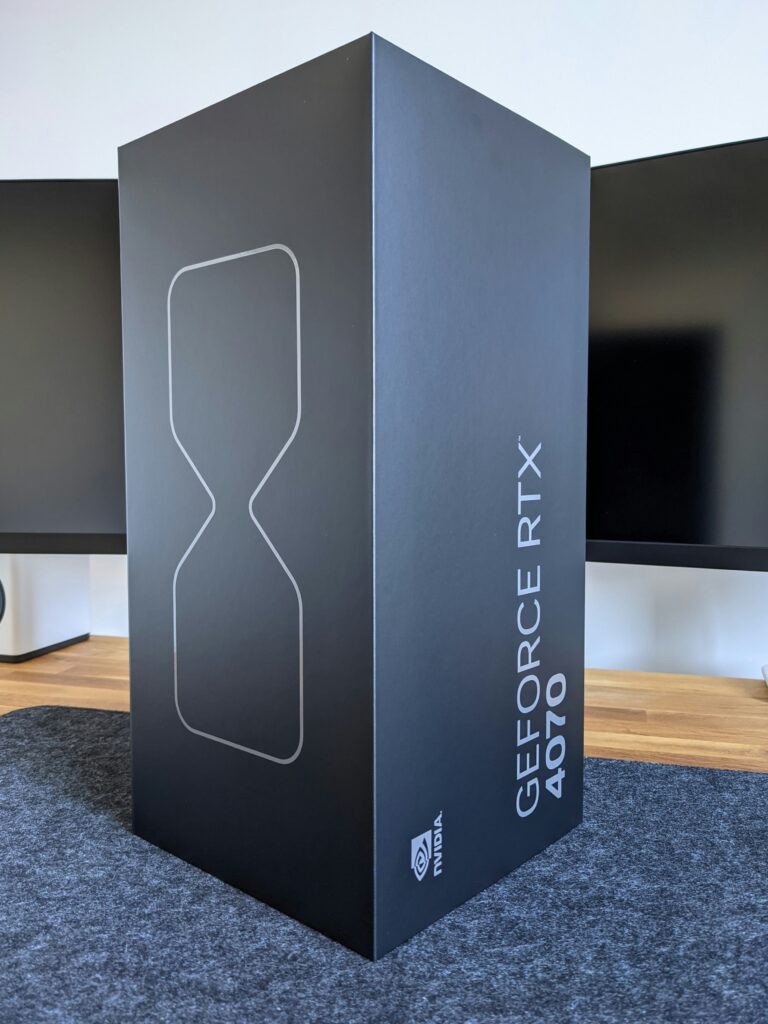
Nvidia’s announcement regarding the Blackwell GPU architecture marks a pivotal moment in the hardware sector. Revealed to address the exploding need for massive parallel processing, this platform is engineered to offer substantial performance gains over its predecessor, the Hopper architecture. By consolidating multiple compute dies into a single, unified GPU, Nvidia has managed to overcome physical limits that previously hampered chip design.
The Technical Foundation of Blackwell
At the heart of the Blackwell platform is the new B200 chip, which integrates 208 billion transistors manufactured using a custom 4NP TSMC process. According to The Verge, the architecture is specifically designed to handle the complex memory requirements of current training workloads. The innovation lies not just in raw speed, but in the efficiency of the interconnects that allow these massive chips to communicate without latency bottlenecks.
Impact on Enterprise Workflows
For consultants and businesses, the shift to Blackwell signifies a transformation in how infrastructure is scaled. Organizations are no longer limited by the throughput of singular server racks. With the introduction of the GB200 Grace Blackwell Superchip, companies can deploy systems that are optimized for massive model inference. This development is crucial for firms looking to move beyond pilot programs into full-scale production environments.
Industry Predictions and Future Outlook
While the hardware is currently being deployed, industry experts suggest that the full impact of Blackwell will be felt as the ecosystem matures. We expect to see a surge in the adoption of specialized data center architectures that leverage liquid cooling and high-density power delivery, as these are prerequisites for maximizing Blackwell’s potential. This shift mirrors our previous analysis on optimizing server infrastructure, where we emphasize that hardware choice must align with long-term scalability strategies.
Conclusion
The Nvidia Blackwell era is clearly here to redefine what is possible in the data center. By moving towards a more integrated and efficient architecture, Nvidia is setting a new benchmark for hardware performance. As the market adopts these tools, the gap between traditional computing and the next generation of hardware will continue to widen, necessitating a proactive approach to technology procurement.