
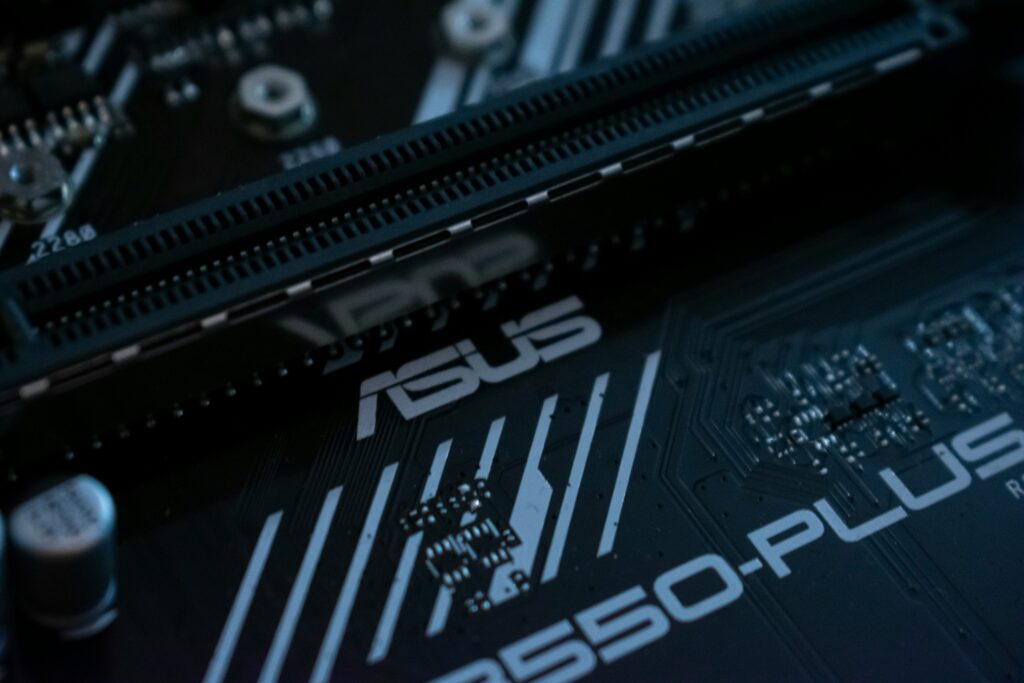
The arrival of the Nvidia Blackwell architecture represents a watershed moment for high-performance computing. Following recent communications from Nvidia’s leadership, the company confirmed that production is ramping up to meet unprecedented global demand. This GPU isn’t just an incremental upgrade; it is a fundamental redesign of how parallel processing is executed in server environments.
Technical Innovations Under the Hood
Nvidia has engineered the Blackwell GPU to address the limitations of the previous Hopper architecture. By utilizing a multi-chiplet design connected via a high-speed chip-to-chip link, these processors can function as a single, unified unit. This innovation allows for significantly faster data transfer speeds, which is essential for massive scale-out clusters. According to official reports from The Verge, the ramp-up is proceeding as planned, positioning these units to reach enterprise customers by the end of the year.
Impact on Enterprise Workflows
For businesses, the deployment of Blackwell means more than just faster hardware. It signifies the ability to run more complex simulations and data models with higher energy efficiency. In our recent analysis on optimizing automated workflows, we highlighted that the bottleneck for many modern enterprises is the underlying compute capacity. The Blackwell GPU aims to dissolve these bottlenecks, allowing automation pipelines to operate with lower latency and higher throughput.
Industry Integration Challenges
While the potential is clear, integration will be a complex process for IT departments. Organizations will need to assess power consumption and thermal management within their current rack configurations. The move to Blackwell is not a “plug-and-play” scenario; it requires a strategic overhaul of data center infrastructure to fully leverage the performance gains promised by the silicon. Expert analysts suggest that companies should start planning their migration paths now to avoid long-term backlogs in supply chain acquisition.
Future Outlook and Expert Analysis
Looking ahead, the shift toward such specialized silicon is expected to continue. As software-defined infrastructure becomes the standard, hardware that offers extreme programmability and scalability will become the gold standard. We predict that the Blackwell architecture will set the benchmark for the next two to three years of enterprise technology investments, forcing competitors to rethink their own manufacturing roadmaps.
Ultimately, this GPU serves as the engine for the next wave of industrial automation. By offloading resource-heavy tasks to more efficient hardware, enterprises can focus on higher-level logic and strategy, fundamentally changing how IT operations departments function in a high-demand environment.