
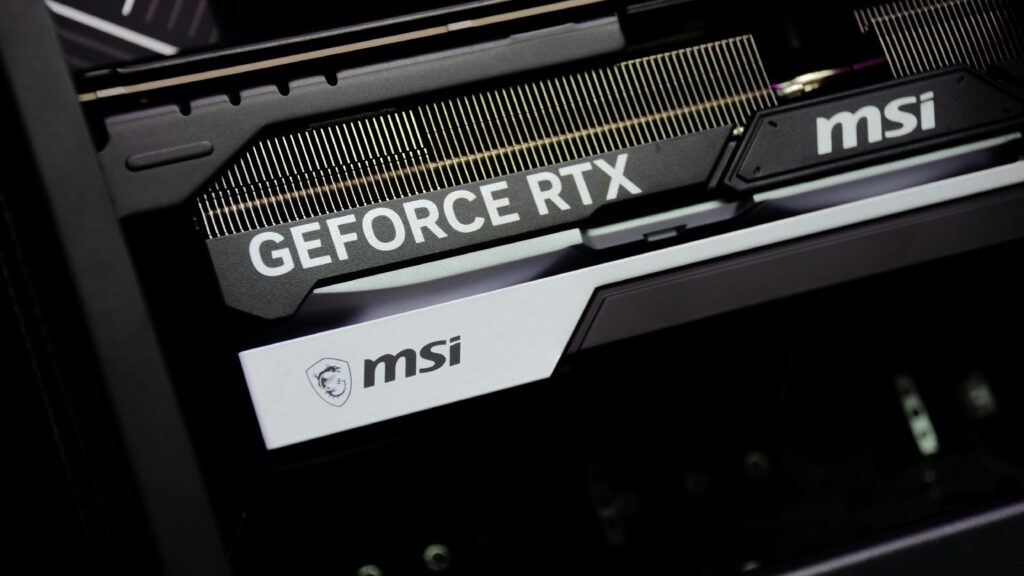
The Era of Blackwell Architecture
Announced officially in March, the NVIDIA Blackwell B200 represents a massive leap in accelerated computing. Built on a refined process, this GPU isn’t just an iteration; it’s a architectural shift designed to tackle the limitations of the previous Hopper generation. For industry consultants, this represents a fundamental change in how we architect workflows for big data and machine learning operations.
Technical Prowess and Performance Metrics
According to official reports from The Verge, the Blackwell B200 claims to offer up to 30 times the performance for specific inference tasks compared to its predecessors. This is made possible by a dual-die configuration connected by a 10TB/s chip-to-chip link. It is essential to note that these figures are based on internal benchmarks; real-world deployment outcomes may vary depending on existing power infrastructure and thermal cooling capabilities.
Impact on Enterprise Data Center Operations
For organizations, the integration of B200 hardware isn’t merely a plug-and-play upgrade. It requires a fundamental rethink of power delivery and cooling systems. At ByteTechScope’s internal resource center, we have discussed the increasing necessity of liquid cooling as hardware TDP (Thermal Design Power) climbs. The B200 pushes the envelope, necessitating a proactive approach to facility management alongside hardware procurement.
Expert Analysis: Is the Hype Justified?
Industry analysts remain bullish, citing the B200’s massive memory bandwidth as the true differentiator. While software optimization remains the bottleneck for many legacy stacks, the B200 offers enough raw overhead to compensate for less-than-perfect code. Our expert assessment suggests that companies heavily invested in large language model (LLM) training will see immediate ROI, whereas general-purpose data centers may want to wait for wider software ecosystem support.
Future-Proofing Your Workflow
Looking ahead, the shift toward accelerated computing is irreversible. As Nvidia continues to dominate the hardware space, our recommendation is to focus on modular infrastructure designs. This allows for easier adoption of next-gen hardware without requiring a total physical overhaul of the data center. By staying informed on these cycles, businesses can maintain a competitive edge without overextending their operational budgets on non-essential hardware upgrades.