
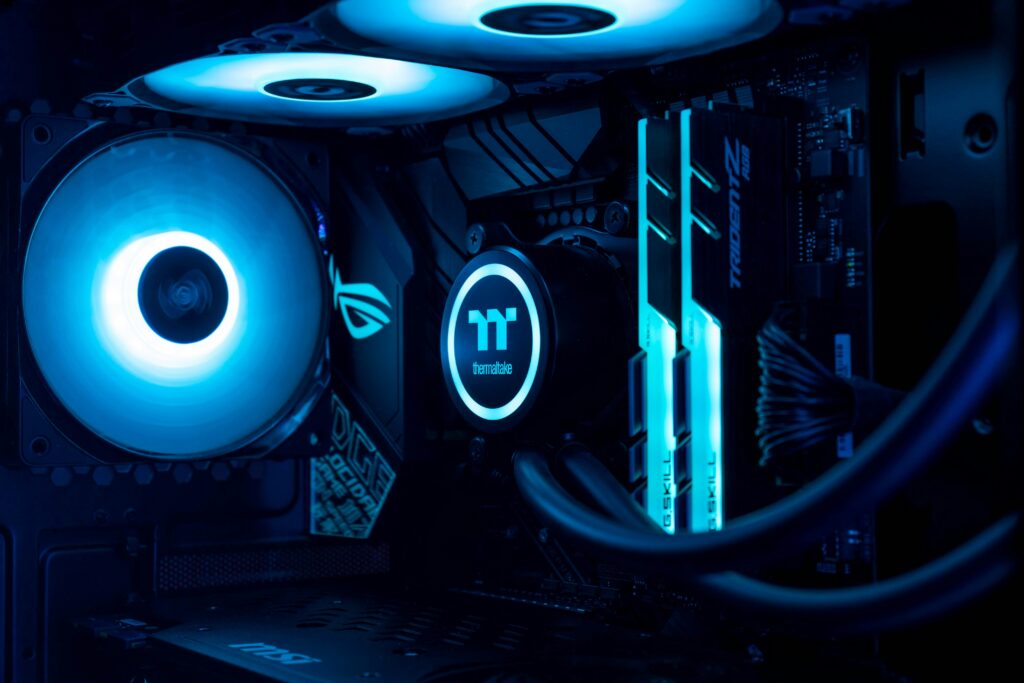
The Dawn of the Blackwell Era
In mid-2024, Nvidia confirmed the acceleration of its Blackwell B200 GPU production, marking a significant milestone in high-performance hardware. Building upon the success of the Hopper architecture, Blackwell is designed specifically to handle the next wave of massive-scale computational tasks that modern enterprises demand. This isn’t merely an incremental upgrade; it is a structural redesign of how GPU memory and interconnects function under heavy load.
Technical Advancements and Performance Metrics
According to official reports from Bloomberg Tech, the Blackwell GPU features a dual-die design connected via a 10TB/s chip-to-chip link. This enables the chip to act as a single, unified processor. For professionals managing workflow automation and complex simulations, this means significantly reduced latency and higher throughput. When compared to the H100, the B200 demonstrates substantial gains in energy efficiency per watt, a critical factor for firms aiming to optimize their infrastructure costs.
Architectural Shifts for Enterprise Needs
The innovation lies in the second-generation Transformer Engine. By utilizing 4-bit floating-point precision, Blackwell allows for faster data processing without sacrificing the accuracy required for high-stakes enterprise applications. Our previous analysis on infrastructure scaling, which can be found in our guide to cloud-native compute, highlights how hardware-software alignment is the key to achieving operational excellence.
The Impact on Industry Workflows
For organizations, the deployment of Blackwell signifies a transition toward more resilient and capable data centers. The hardware is not just faster; it is smarter about how it manages data transfers between the CPU and GPU. This reduces bottlenecks that have traditionally plagued large-scale data environments. As software becomes more complex, the hardware layer must evolve to keep pace, and Nvidia’s recent developments provide a clear roadmap for the next three to five years of hardware integration.
Expert Predictions: Where Hardware Meets Future Needs
Industry analysts suggest that the demand for Blackwell-based systems will likely outpace supply well into 2025. This creates a strategic challenge for businesses: wait for the newest hardware or optimize existing stacks? We believe that for organizations pushing the boundaries of real-time data processing and autonomous system design, the investment in Blackwell is an inevitable move. The shift to a more efficient, interconnected hardware ecosystem is no longer optional—it is the baseline for competitive performance.
Final Reflections
The release of the Blackwell architecture confirms that Nvidia is doubling down on high-density compute solutions. As we watch this technology permeate global markets, it is clear that the standard for enterprise hardware has been raised. Integrating these tools requires a nuanced understanding of current constraints and future potential. By focusing on hardware-first optimization, companies can ensure they are prepared for the next generation of digital infrastructure.