
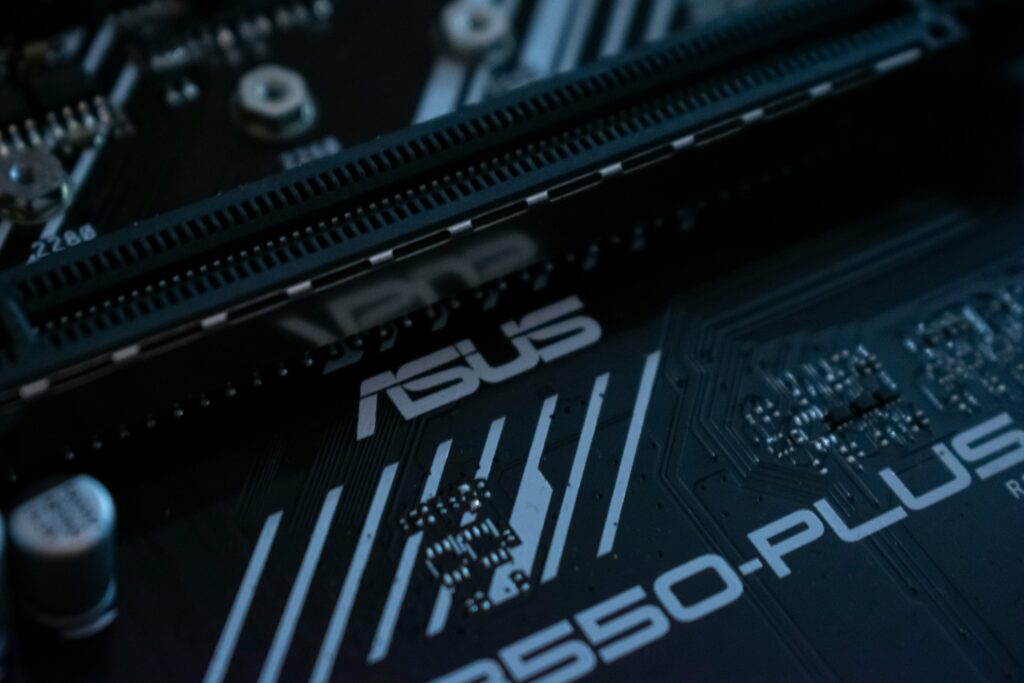
The Dawn of the Blackwell Era
In mid-March 2024, Nvidia unveiled its Blackwell architecture, a platform designed to power the next generation of generative models and heavy-duty computational tasks. Replacing the highly successful Hopper architecture, Blackwell represents a monumental shift in how companies approach AI training and inference. Unlike previous iterations, this architecture is engineered to handle trillion-parameter models, facilitating complex workflows that were previously considered computationally impossible.
Engineering Marvel: The Technical Breakdown
At the core of the Blackwell B200 GPU lies a unique chip-to-chip interconnect, allowing for a seamless integration of two silicon dies. According to official reports from The Verge, this design facilitates 10 terabytes per second of chip-to-chip communication. This efficiency is critical for organizations looking to reduce latency in their automated pipelines. For firms already utilizing tools found in our guide to workflow optimization strategies, Blackwell offers the raw power to scale these systems to an enterprise level without the traditional bottleneck of hardware degradation.
Industry Impact and Scalability
The implications for the consulting and tech industry are profound. With power efficiency at the forefront of the design, companies can now perform complex data analytics with significantly lower electricity overheads compared to previous GPU generations. This is a game-changer for businesses transitioning from pilot programs to full-scale automated production environments. The ability to process data at this magnitude means that predictive maintenance, automated logistics, and real-time financial modeling will see a drastic improvement in speed and reliability.
Expert Predictions: Where Hardware Meets Workflow
Industry analysts expect a phased rollout throughout the remainder of the year. While startups may initially struggle with the premium cost of these units, the long-term ROI is clear for enterprises. We predict that the integration of Blackwell GPUs will force a transformation in how consulting firms advise on infrastructure—moving away from cloud-only approaches to hybrid architectures that leverage this local, high-density compute power. As these devices hit the market, firms that embrace early adoption will likely see a significant competitive advantage in output quality and operational efficiency.
Conclusion
Nvidia’s latest innovation is more than just a faster chip; it is the backbone of the next decade of digital transformation. For leaders in the automation sector, the Blackwell architecture offers the throughput required to turn big data into actionable insights at a scale previously reserved for the world’s largest tech giants.