
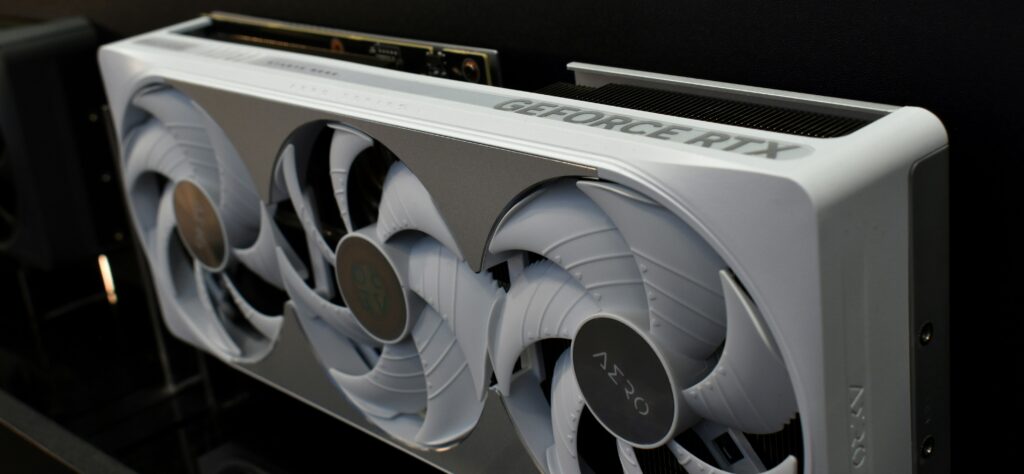
The Evolution of Computational Power
In mid-2024, Nvidia began the transition toward shipping its highly anticipated Blackwell GPU architecture. Designed to succeed the Hopper series, the Blackwell platform represents a significant engineering achievement. According to official disclosures from the company, the architecture utilizes a dual-die design connected by a high-speed interconnect, aimed at overcoming the traditional scaling limits of massive data processing clusters. For enterprises, this isn’t just a minor iteration; it is a fundamental shift in how hardware handles multi-billion parameter workloads.
Data-Driven Performance Insights
Industry analysts have noted that the architectural design focuses heavily on energy efficiency and throughput. Reports from The Verge highlight that the design integrates a second-generation transformer engine, which is specifically optimized for deep learning performance. While official benchmarks are heavily dependent on specific use cases, the consensus among hardware experts suggests that the architecture offers up to several times the inference performance compared to its predecessors. This efficiency is critical for organizations attempting to integrate complex automation into their existing workflows.
Impact on Enterprise Infrastructure
The introduction of the Blackwell platform forces a re-evaluation of hardware procurement and infrastructure management. Organizations are no longer just looking for raw power; they are looking for systems that can handle thermal management and power distribution at scale. The integration of these GPUs requires sophisticated liquid cooling solutions and high-density rack configurations. As businesses transition toward more automated, data-centric operations, having the right hardware foundation becomes a strategic advantage. It allows teams to reduce latency and improve the speed of insight generation from their data lakes.
Looking Toward the Future
While the hardware is currently being deployed, the industry is already looking at how this will influence the next generation of cloud services. Speculation remains high regarding the long-term impact on supply chains and the overall pace of hardware innovation. As we noted in our previous analysis of scaling infrastructure for the future, the key to success lies in matching the right hardware architecture to specific business objectives rather than simply adopting the latest trend. Experts predict that as availability increases, we will see a surge in specialized hardware deployments tailored for specific industrial sectors, including healthcare diagnostics and advanced logistics optimization.
Ultimately, the Blackwell architecture is more than just a component; it is a signal of where the industry is heading: toward a more efficient, high-density future where computational constraints are a thing of the past.