
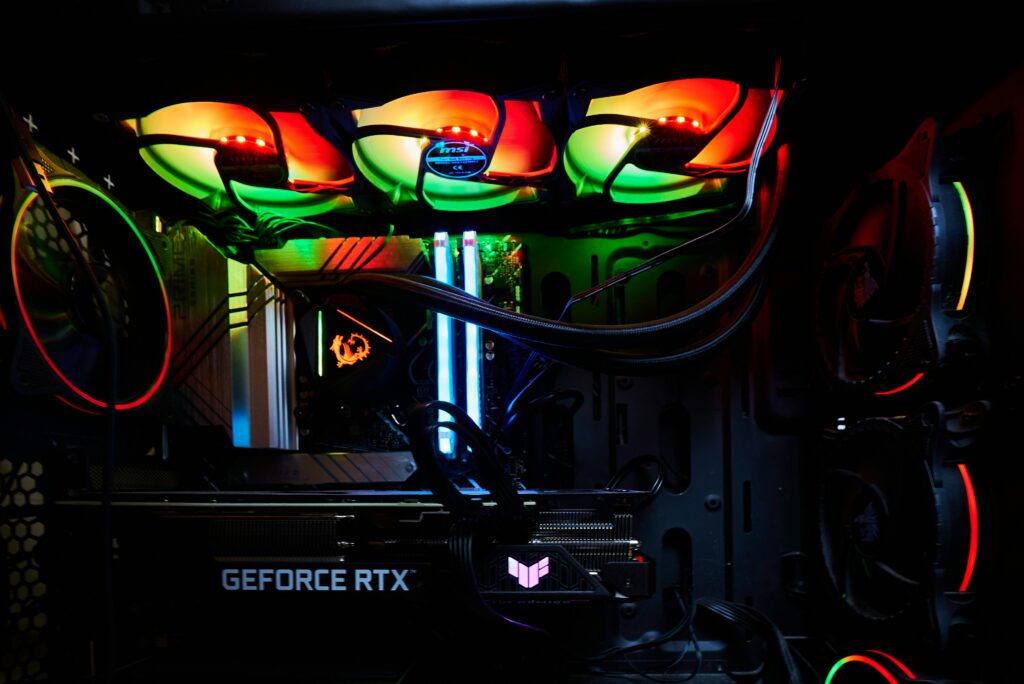
The Dawn of the Blackwell Era
In mid-2024, Nvidia began the formal distribution of its Blackwell-based GPU chips, following an intensive development phase aimed at superseding the H100 architecture. This release marks a pivotal moment for cloud providers and research institutions globally. By focusing on massive-scale parallel processing, Nvidia has created a platform that addresses the bottleneck issues previously seen in training large language models.
Engineering Marvel: The Technical Breakthrough
The Blackwell architecture utilizes a multi-die design, essentially fusing two silicon dies into a single, massive GPU. According to The Verge, this approach allows for an unprecedented number of transistors, facilitating faster communication between processing units. The integration of 192GB of HBM3e memory provides the bandwidth necessary to minimize latency in complex workflows. For organizations relying on heavy data analytics, this means shorter wait times for training cycles and more refined output accuracy.
Impact on Industrial Workflow Automation
For consultants specializing in enterprise automation, the shift toward Blackwell architecture is a game-changer. Our internal analysis suggests that companies leveraging this hardware can expect significant improvements in real-time decision-making systems. While many companies are still transitioning from legacy infrastructure, early adopters of Blackwell-ready environments are already seeing reduced operational costs due to better energy efficiency per compute unit. To see how these upgrades fit into a broader digital transformation strategy, read our guide on scaling enterprise workflows effectively.
Expert Predictions for Future Hardware Trends
Industry analysts predict that as these GPUs become more widely available through cloud providers, we will see a surge in autonomous agents performing complex operational tasks. The focus is no longer just on ‘more compute’ but on ‘more efficient compute.’ We expect that in the coming year, manufacturers will pivot towards specialized Blackwell-powered servers, making the barrier to entry lower for mid-sized enterprises. The future of hardware lies in this balance between raw power and architectural intelligence.
Conclusion
The arrival of the Nvidia Blackwell architecture is more than just a hardware update; it is an foundational shift for the digital infrastructure that powers modern business. As we continue to monitor the impact of these chips, the message for CTOs is clear: focus on infrastructure readiness now to stay competitive. The speed at which innovation is moving requires a proactive approach to technology procurement and strategic planning.