
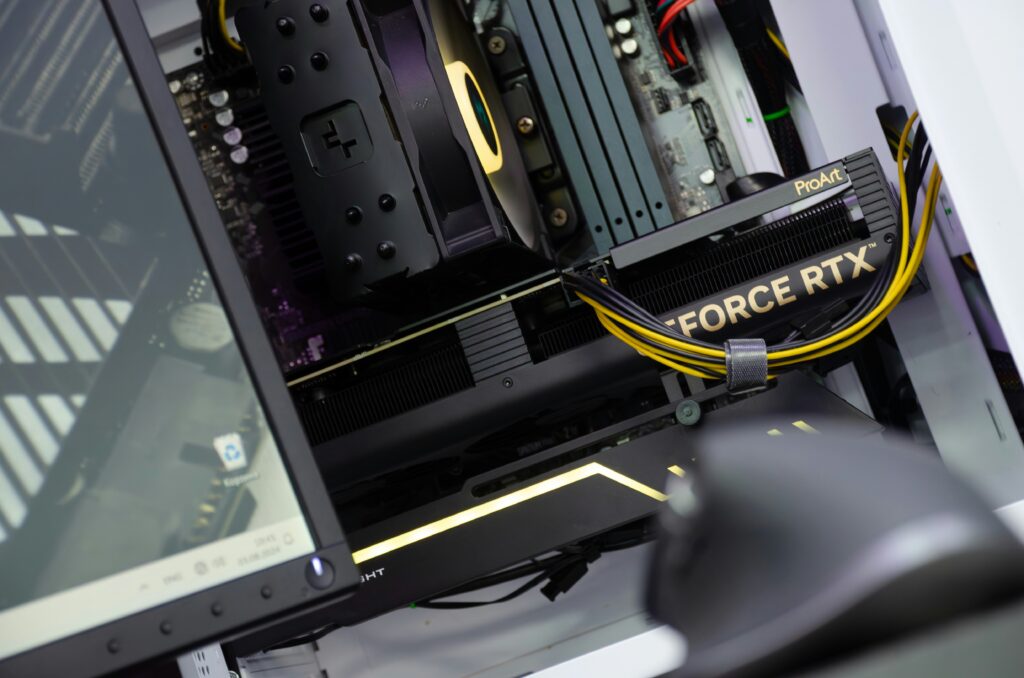
The Dawn of Blackwell Architecture
In mid-2024, Nvidia unveiled its Blackwell architecture, a platform engineered to support the next generation of generative models and complex data analytics. According to official announcements, the architecture consists of 208 billion transistors, utilizing a custom-built 4NP TSMC process. For businesses relying on intensive automation and heavy data pipelines, this announcement marks a pivotal moment in hardware capability.
Why Blackwell Matters for Enterprise Operations
Unlike traditional GPU setups, the Blackwell-based B200 and GB200 systems are designed to minimize latency in complex workflows. Industry experts at The Verge have noted that the inter-chip communication bandwidth offered by this new architecture allows for massive parallel processing that was previously impossible in power-constrained enterprise data centers. This translates into faster deployment cycles for complex software environments.
Data-Driven Performance Metrics
Official data from Nvidia indicates that Blackwell chips provide up to 30x the performance for large language model inference compared to their predecessors, while significantly reducing power consumption. For firms scaling their digital operations, this efficiency is critical. We have previously discussed the importance of infrastructure scaling in our comprehensive guide on tech optimization, and Blackwell represents the next hardware milestone in that journey.
Future Predictions and Expert Opinions
Industry analysts anticipate that the integration of Blackwell will lead to a broader adoption of real-time AI agents in industries such as finance, logistics, and healthcare. While supply chain constraints remain a topic of speculation, the architectural design suggests that Nvidia is moving toward a more modular approach to enterprise hardware. CTOs should prioritize evaluating their existing server racks to determine if they can accommodate the high-density requirements of this new platform.
Conclusion
The transition to Blackwell-based systems is a significant undertaking for any enterprise. However, the potential gains in computational speed and efficiency make it a necessary consideration for teams looking to stay ahead in the competitive landscape of digital transformation and intelligent workflows.