
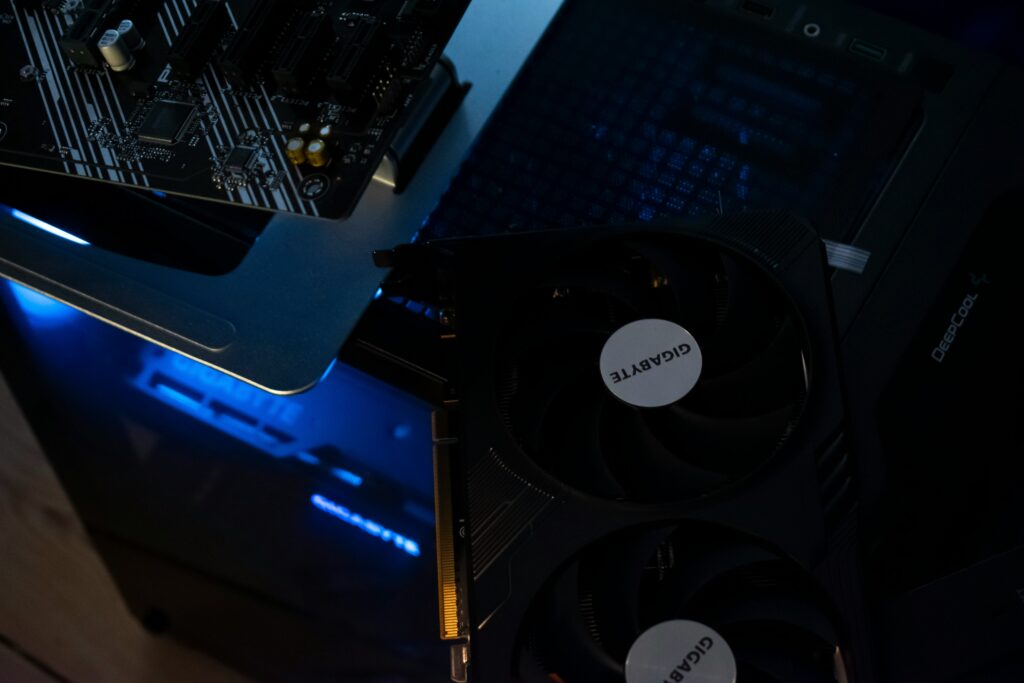
The Dawn of the Blackwell Era
In mid-2024, Nvidia provided deeper technical insights into its Blackwell architecture, an innovation that succeeds the powerhouse Hopper generation. While initial glimpses were teased earlier in the year, the recent documentation and performance benchmarks solidify its position as a game-changer for industries relying on complex simulation and massive data processing. The architecture is engineered to handle trillion-parameter models, addressing the bottlenecks that have previously limited the scalability of massive neural networks and real-time data analytics.
Technical Precision and Performance Metrics
According to official reports from Bloomberg, the Blackwell platform represents more than just a marginal increase in clock speed; it is an architectural overhaul. Utilizing a custom-built 4NP TSMC process, the chips are designed to reduce operational costs and energy consumption significantly—a move that aligns with global corporate initiatives toward sustainable IT infrastructure. For consultancy firms, these metrics are vital, as they suggest that clients can achieve higher computational outputs without necessarily inflating their data center footprints.
Impact on Enterprise Workflows
For those managing complex enterprise ecosystems, the integration of such hardware into existing stacks is a primary concern. Automating workflows that rely on heavy data throughput is now a realistic target for mid-to-large-scale organizations. When paired with effective workflow automation strategies, companies can leverage this raw power to optimize resource allocation, predictive maintenance, and complex customer behavioral modeling.
The Future of High-Performance Computing
Industry experts predict that the deployment of Blackwell-based systems will spark a new wave of innovation in fields such as drug discovery, climate modeling, and financial risk assessment. Unlike previous iterations, Blackwell is built with a focus on ‘interconnectivity’—the ability for multiple GPUs to function as a single, unified entity with negligible latency. This level of synchronization is essential for firms looking to move beyond simple automation into true, data-driven autonomous operations. While adoption timelines depend heavily on supply chain logistics and integration complexity, the signal to the market is clear: the hardware foundation for the next decade of computing has arrived.
Final Considerations
As we transition into this next-gen computing era, the focus for business leaders should remain on how these tools translate into value. It is not just about the hardware specs, but about how effectively your business architecture can harness this potential to drive agility and efficiency.