
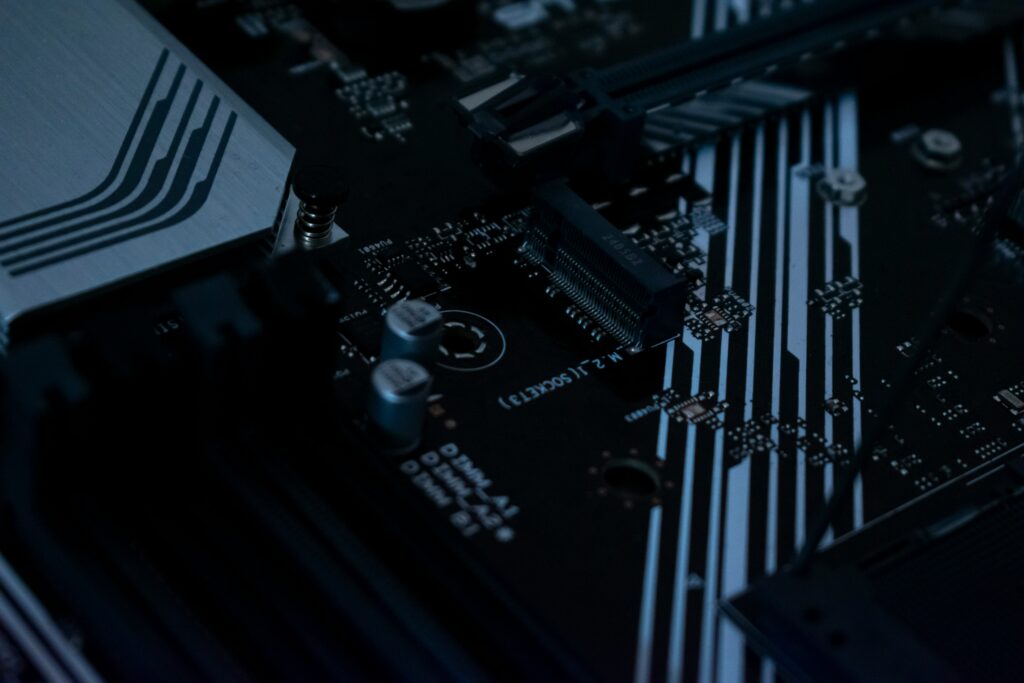
The Dawn of the Blackwell Era
In mid-October 2024, industry reports confirmed that Nvidia has moved its highly anticipated Blackwell chip architecture into full-scale production. This milestone follows initial supply chain concerns, marking a pivotal moment for cloud providers and research institutions alike. The Blackwell architecture is not merely an incremental upgrade; it is a fundamental redesign aimed at solving the energy and efficiency constraints of current-generation AI-accelerated workflows.
Technical Prowess and Scalability
According to official technical briefings from Nvidia, the Blackwell B200 GPU incorporates two reticle-limited dies connected via a 10 TB/s chip-to-chip link. This massive interconnect bandwidth is the secret sauce that allows for seamless scaling across thousands of nodes. For consulting firms and engineering departments, this translates to faster model convergence times and the ability to handle significantly larger datasets without the prohibitive latency encountered in older Pascal or Ampere-based systems.
Impact on Enterprise Workflow Optimization
Integrating Blackwell into existing enterprise stacks requires a comprehensive strategy. Unlike previous upgrades, the power density of these chips necessitates a complete overhaul of liquid cooling and power delivery infrastructure in traditional data centers. For businesses aiming to stay ahead, adopting these technologies requires more than just procurement; it requires a strategic partnership to ensure seamless transition and operational readiness. You can read more about aligning your infrastructure with high-performance standards in our guide on optimizing enterprise workflows.
Industry Outlook and Expert Predictions
Market analysts suggest that the demand for Blackwell will likely outstrip supply well into 2025. This scarcity highlights the importance of strategic roadmap planning for CIOs. Analysts at firms like Bloomberg have noted that the sheer capability of Blackwell allows for real-time processing of generative models that were previously thought to be computationally impossible for single-rack configurations. As we look toward the future, the integration of these GPUs will likely become the standard for any business aiming to deploy autonomous agents at scale.
Conclusion
The transition to Blackwell-driven infrastructure is a clear indicator that the industry is moving past the experimental phase of high-performance computing. While the technical barrier for deployment remains high, the potential for optimized, lightning-fast workflows is immense. Organizations must prepare their digital backbone now to leverage this leap in processing power effectively.