
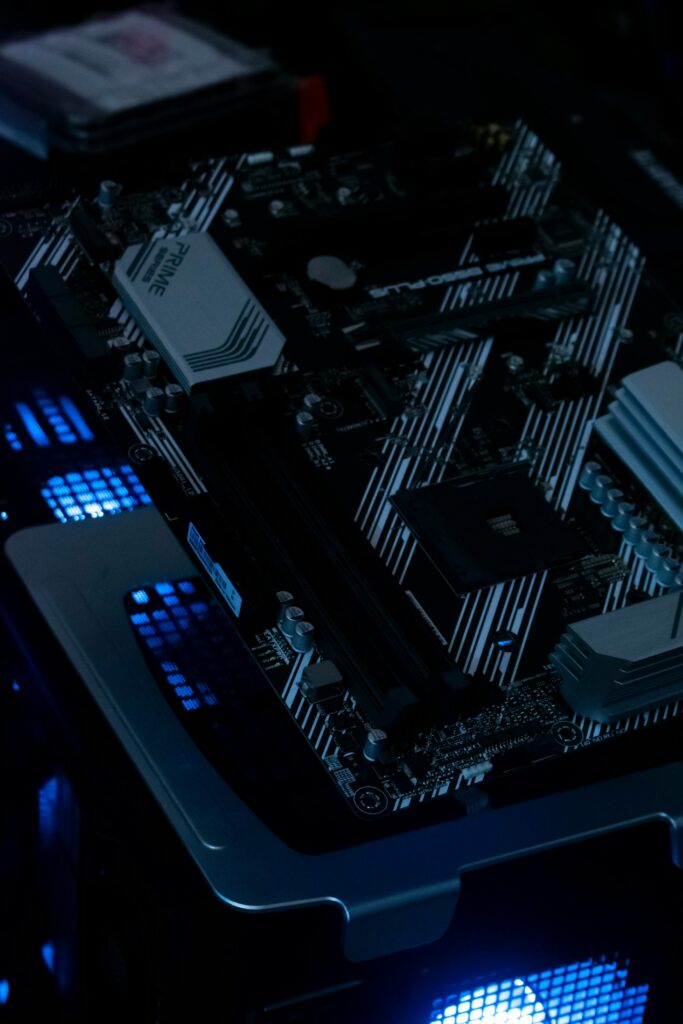
The Dawn of the Blackwell Era
In mid-2024, Nvidia unveiled its Blackwell architecture, a breakthrough designed to sustain the compute-heavy requirements of trillion-parameter AI models. Moving beyond the constraints of the Hopper architecture, Blackwell introduces a two-reticle GPU design that effectively functions as a single, massive processor. This engineering feat, officially detailed by Nvidia, allows for a significant jump in interconnect speeds and memory bandwidth, aiming to minimize latency in massive-scale data environments.
Engineering Innovations and Performance Metrics
According to official specifications from Nvidia’s official press releases, the Blackwell GPU consists of 208 billion transistors. This architecture is not merely about raw power; it is about architectural efficiency. The integration of a second-generation Transformer Engine allows for advanced precision support, optimizing how hardware handles floating-point operations. For organizations integrating automation, this means drastically reduced training times and faster inference cycles for complex workflows.
Impact on Enterprise Workflow Automation
Consulting firms are already identifying Blackwell as a cornerstone for next-generation automated workflows. By accelerating data ingestion and processing, businesses can move toward real-time decision-making frameworks that were previously bottlenecked by hardware limitations. In our previous analysis on optimizing workflow throughput, we highlighted how hardware constraints often dictate the ceiling of software automation; Blackwell effectively raises that ceiling.
The Sustainability Challenge
One of the most pressing concerns in modern hardware deployment is the environmental impact of power-hungry data centers. Nvidia has addressed this with Blackwell’s enhanced performance-per-watt ratio. By consolidating tasks that would previously require multiple units, the architecture promises a reduction in energy consumption per unit of compute. This is a critical factor for enterprise CTOs currently navigating ESG mandates alongside the need for digital transformation.
Expert Projections: What Comes Next?
Industry analysts, including those tracking recent market shifts on The Verge, suggest that the rollout of Blackwell will trigger a massive refresh cycle in data center infrastructure. The shift towards liquid-cooled, high-density racks is expected to accelerate. As we look toward the next 24 months, the bottleneck will likely shift from raw compute power to high-speed data transmission between these interconnected nodes. Organizations that plan their infrastructure upgrades now to align with Blackwell’s density requirements will be positioned to lead their respective markets.
Conclusion
The Nvidia Blackwell architecture is more than just a hardware upgrade; it is a fundamental shift in how we approach enterprise-scale data processing. While the capital investment for such systems is substantial, the efficiency gains and the capability to run advanced automation models make it a necessary consideration for any international enterprise aiming for long-term technological dominance.