
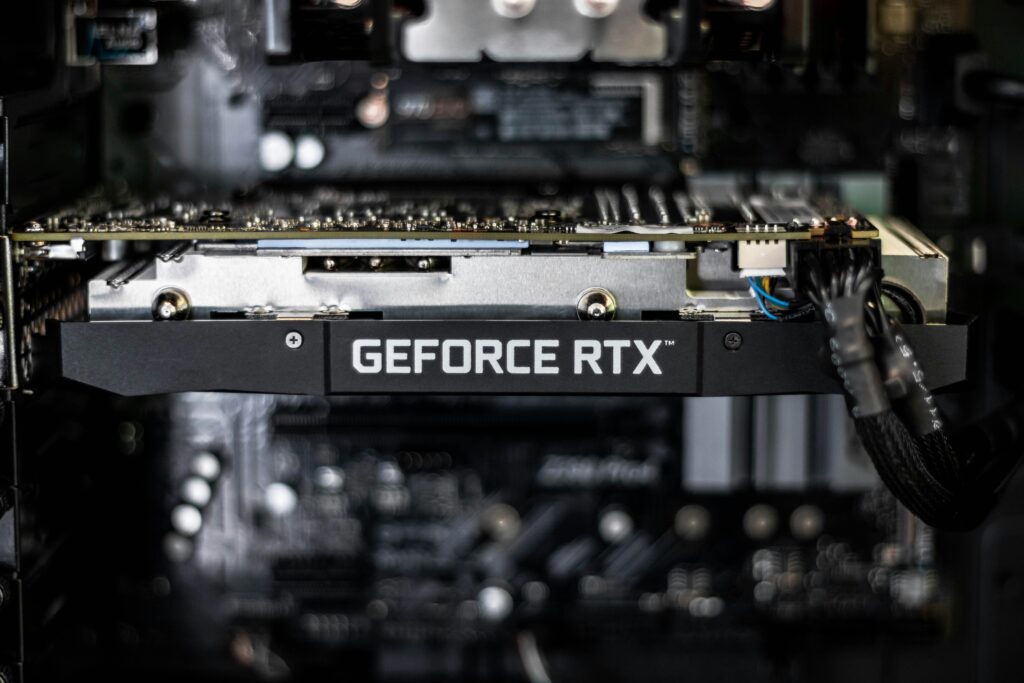
The Dawn of the Blackwell Era
In mid-2024, Nvidia began the formal distribution of its Blackwell-based B200 GPUs. This architecture follows the highly successful Hopper series, aiming to solve the ‘memory wall’ problem that has hindered deep learning training for years. According to the company’s official product briefs, the Blackwell platform is designed to support models with up to 10 trillion parameters, a significant jump from previous limitations.
Technical Breakthroughs and Performance Metrics
The core innovation behind Blackwell is the use of a multi-die design connected via a 10TB/s chip-to-chip link. This allows two reticle-limited dies to function as a single, unified GPU. Data from The Verge highlights that this architecture provides up to 30x performance improvement for LLM inference compared to predecessor models. This efficiency is critical for organizations transitioning from experimental AI to production-grade workflows.
Impact on Enterprise Automation
For businesses, this hardware represents a reduction in the total cost of ownership (TCO). By training models faster and with greater energy efficiency, companies can shorten their feedback loops. If you are interested in how infrastructure changes support business scalability, check out our recent analysis on optimizing cloud workflows for enterprise growth. Lower energy requirements per unit of compute mean that sustainable digital transformation is finally becoming a tangible reality for global firms.
The Future of High-Performance Computing
Industry analysts expect that as Blackwell reaches mass adoption, the bottleneck for AI development will shift from compute power to data quality. The sheer speed of these chips means that engineers must prepare their data pipelines to feed the GPU clusters at an unprecedented rate. We predict that the next eighteen months will focus heavily on software-defined storage and networking upgrades to match the raw power these GPUs deliver.
Final Insights
While the hardware is undoubtedly impressive, the true value lies in the seamless integration between the hardware and the software ecosystem. Nvidia’s commitment to providing a unified development platform ensures that organizations can move between cloud and on-premise environments with minimal friction. For IT leaders, the roadmap is clear: infrastructure is the foundation of innovation.