
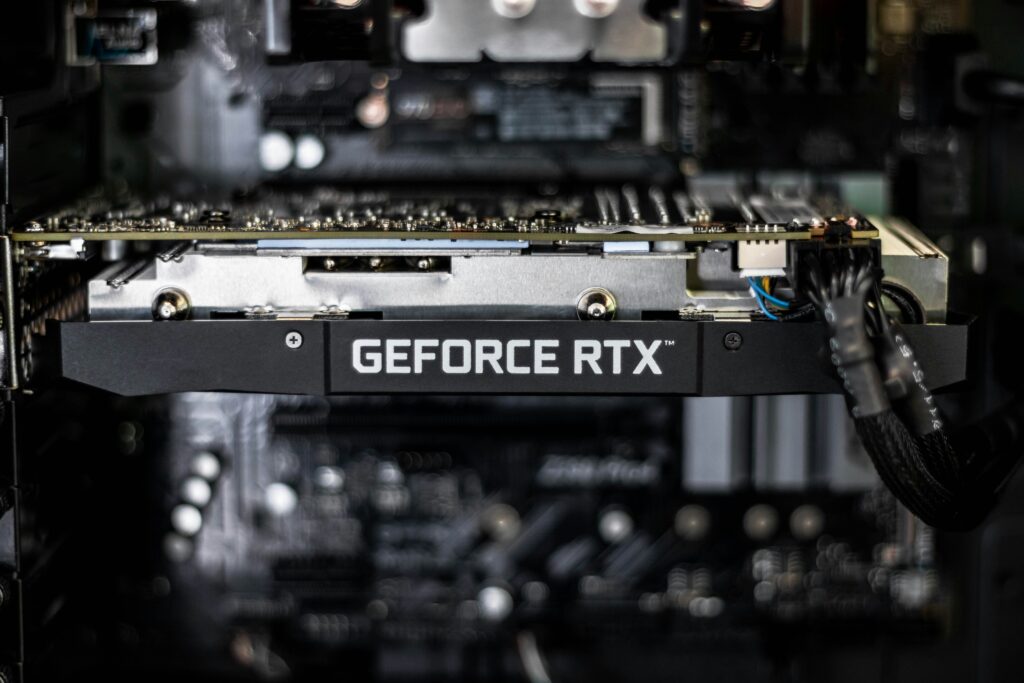
The Evolution of Computational Power
On recent investor calls and technical briefings, Nvidia has doubled down on the rollout of its Blackwell architecture. Scheduled to ramp up production throughout the remainder of 2024, the B200 GPU is designed to solve the bottlenecks currently faced by cloud providers and enterprise data centers. Unlike the previous generation, Blackwell is not just a GPU; it is a multi-chip design platform that aims to dramatically reduce the energy footprint while increasing inference capabilities.
Understanding the Blackwell Advantage
The primary draw of the Blackwell architecture is its focus on massive scale. According to official reporting by The Verge, the architecture integrates two reticle-limited dies connected by a 10TB/s chip-to-chip link. This allows the system to act as a single, unified GPU. For organizations leveraging high-end automation, this means training large language models (LLMs) can be accomplished in a fraction of the time compared to legacy setups.
Impact on Enterprise Workflow Automation
Consulting firms are observing a clear trend: companies are moving away from general-purpose servers toward specialized AI infrastructure. By adopting Blackwell-based systems, businesses can automate complex decision-making processes that previously required hours of latency. This level of responsiveness is vital for sectors like fintech and supply chain management. For those interested in how internal infrastructure supports these shifts, check out our guide on optimizing cloud infrastructure for enterprise agility.
The Future of Data-Driven Decision Making
Industry analysts predict that by 2025, the standard for “intelligent operations” will be defined by the density of GPU compute power a company can leverage. Nvidia’s commitment to Blackwell signals a long-term roadmap that prioritizes energy-efficient inference. As we look ahead, the ability to deploy private, high-speed AI models locally will likely become the standard for cybersecurity-conscious enterprises. The combination of hardware-level optimization and advanced software orchestration will be the hallmark of the next generation of industrial technology.
Final Thoughts
While the hardware is undeniably powerful, the true value lies in how businesses implement these tools. Moving to a high-performance architecture requires careful planning, rigorous testing, and a focus on long-term scalability. The Blackwell revolution is just beginning, and staying informed is the first step toward effective implementation.