
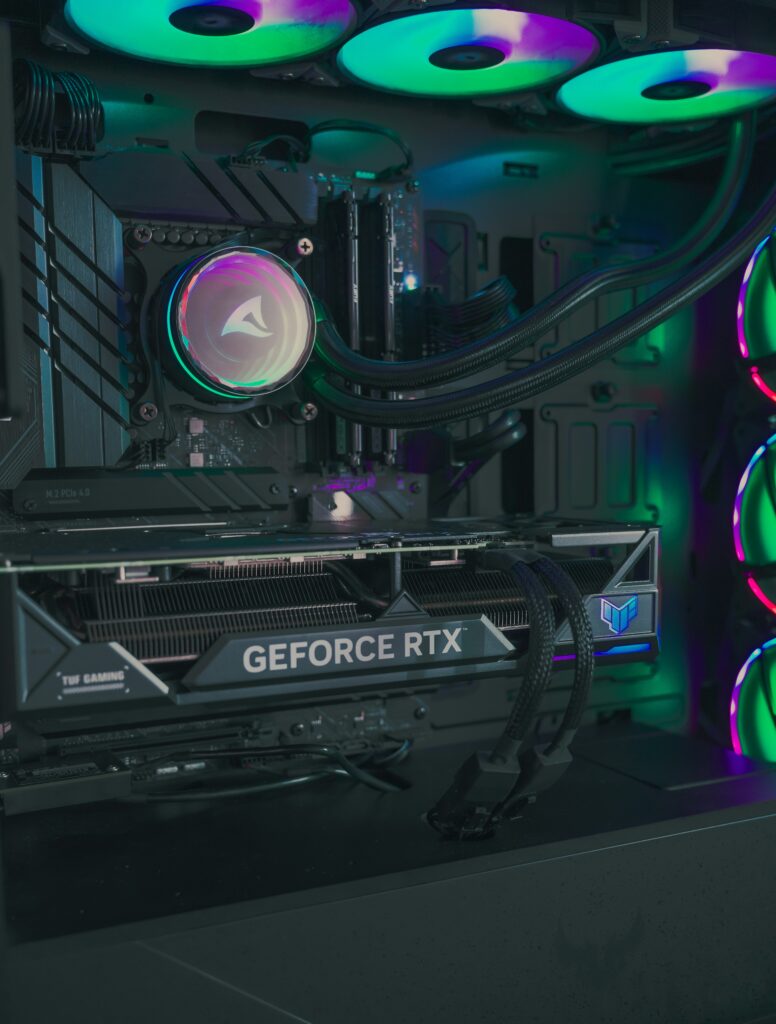
The Dawn of the Blackwell Era
In mid-2024, Nvidia provided deeper insights into its Blackwell architecture, a GPU platform engineered to power the most demanding industrial applications. Unlike traditional architectures, Blackwell is built on a custom-built 4NP TSMC process, featuring 208 billion transistors. This sheer density allows for unprecedented efficiency in floating-point operations, effectively redefining the performance-per-watt metric which is critical for sustainable data center management.
Technical Prowess and Architectural Shifts
According to official specifications from The Verge, the architecture integrates two-reticle-limit GPUs connected by a 10 TB/s chip-to-chip link. This design effectively creates a single, unified GPU. For businesses struggling with siloed data processes, this integration means faster processing times for complex simulations and massive dataset analytics. We have previously discussed how infrastructure efficiency dictates business agility in our guide on optimizing cloud workflows, and Blackwell represents the hardware embodiment of these high-efficiency goals.
Impact on Industry Automation
The implications of Blackwell extend far beyond simple benchmark scores. For industries such as logistics, manufacturing, and financial services, this hardware enables the deployment of complex, real-time autonomous systems that were previously computationally prohibitive. Companies can now leverage larger models with lower latency, allowing for predictive maintenance and real-time risk assessment that operate in milliseconds rather than seconds.
Expert Predictions and Market Outlook
Industry analysts remain bullish on the long-term impact of Blackwell. Experts suggest that as data sovereignty and localized processing become priority concerns for multinational corporations, hardware that maximizes local compute power—without sacrificing energy efficiency—will be the most sought-after asset. While global supply chain fluctuations remain a factor in deployment timelines, the trajectory for Blackwell-powered data centers is clear: they are the new standard for enterprise-grade high-performance computing.
Final Thoughts
Adopting such cutting-edge hardware is not just a capital expenditure; it is a strategic alignment with the future of digital processing. As we move toward a more automated, compute-intensive economy, understanding the synergy between hardware capabilities and software requirements is essential for maintaining a competitive edge.