
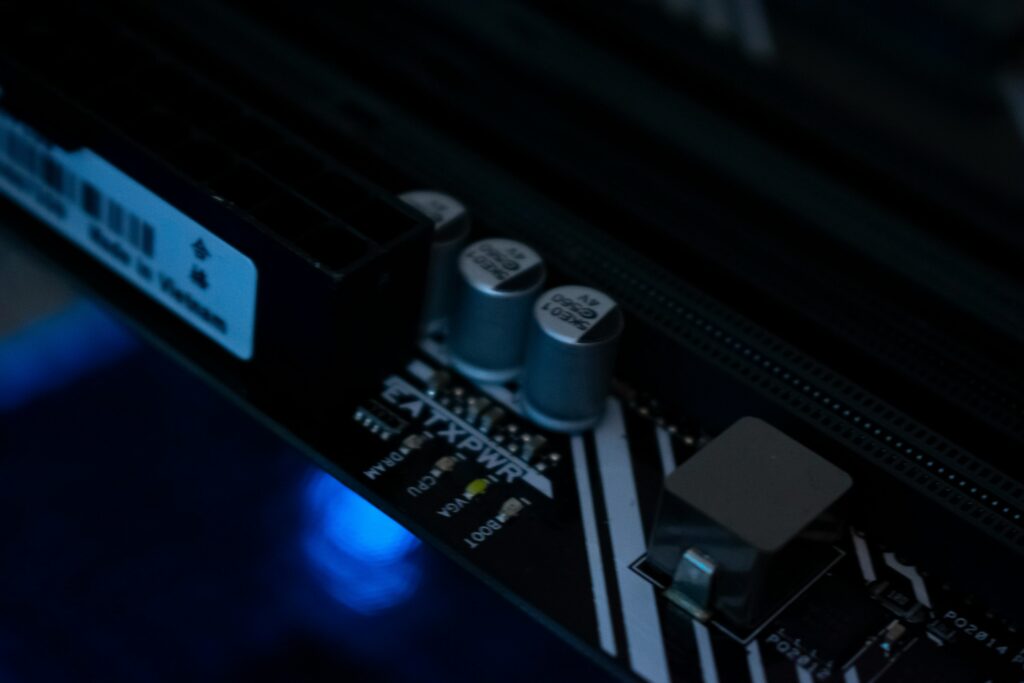
The Dawn of the Blackwell Era
In a move that has sent ripples through the global hardware market, Nvidia officially detailed the performance capabilities of its Blackwell B200 GPU architecture. Announced this week, the architecture is engineered to provide a massive leap in processing efficiency compared to the preceding Hopper H100 units. For enterprises relying on massive data sets, the shift is not merely incremental; it represents a fundamental rethinking of how data centers are architected.
Technical Prowess and Performance Metrics
Nvidia’s commitment to pushing the boundaries of silicon is evident in the integration of 208 billion transistors on a single chip. According to official statements released via The Verge, the Blackwell architecture is specifically optimized for multi-trillion parameter models. The inter-chip communication bandwidth has been expanded significantly, addressing the primary bottleneck that has historically plagued distributed computing clusters.
Impact on Industry Automation and Scalability
For consultants specializing in enterprise automation, the Blackwell platform offers a compelling argument for infrastructure overhaul. The ability to perform real-time inference with significantly lower latency means that complex workflows—previously restricted by hardware limitations—can now be executed at scale. Organizations integrating these units into their stack can expect lower power consumption per computation cycle, a critical metric for long-term operational sustainability.
Expert Analysis: The Future of Compute
Industry analysts suggest that we are entering an era of ‘sovereign AI,’ where nations and enterprises seek to build their own localized, high-performance infrastructures. Blackwell is positioned as the backbone of this transition. While current hardware remains a capital-intensive investment, the efficiency gains suggest a lower ‘Total Cost of Ownership’ over a three-to-five-year deployment horizon. You can learn more about how to evaluate such significant infrastructure investments in our recent guide on optimizing tech investments for growth.
A Balanced Perspective
It is important to note that supply chain constraints and global demand may influence the availability of these high-end units in the near term. Enterprises should treat current deployment schedules as fluid, planning their long-term automation strategies with scalability and software-defined flexibility as a priority. While the Blackwell architecture is undoubtedly a milestone, the success of any technological implementation remains tied to the quality of the software orchestration layer sitting above the hardware.