
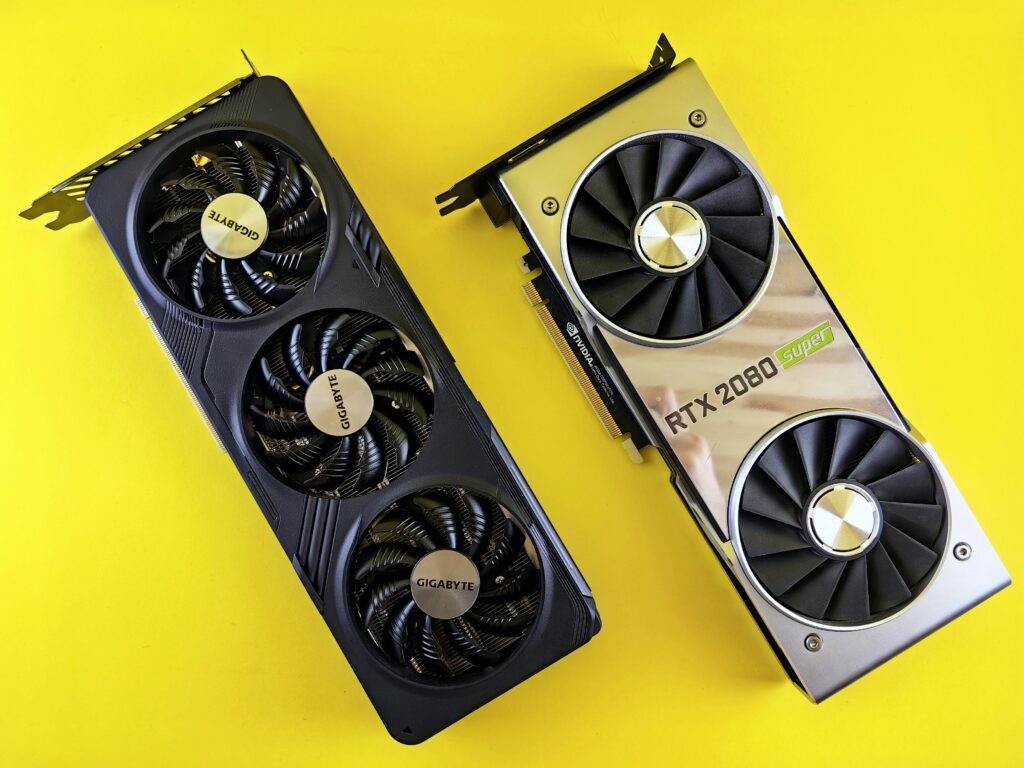
The Era of Accelerated Computing
On March 18, 2024, at GTC, Nvidia officially announced the Blackwell GPU architecture, marking a significant milestone in high-performance computing. Named after mathematician David Blackwell, this new architecture is designed to handle the growing demands of large-scale models that require trillions of parameters. Unlike its predecessors, Blackwell is built on a two-reticle limit design, meaning it essentially fuses two powerful GPU dies into a single, unified processor.
Why Blackwell Matters for Enterprise Infrastructure
For organizations relying on heavy-duty computational power, the shift to Blackwell is more than just a spec bump. According to official reports from The Verge, the architecture offers up to 30 times the performance for inference workloads compared to previous iterations. This efficiency isn’t just about speed; it is about reducing the energy footprint of massive server clusters—a major goal for modern enterprise sustainability targets.
We have previously discussed the importance of infrastructure efficiency in our guide on optimizing cloud workflows, and the integration of these GPUs aligns perfectly with the need for high-density, low-latency computing environments.
Data-Driven Performance and Scalability
The core innovation lies in the second-generation Transformer Engine. By utilizing 4-bit floating-point AI inference, Blackwell can process data at speeds that were previously unreachable. In practical terms, this allows firms to train models that are significantly larger and more accurate, providing a distinct competitive edge in industry-specific automation and predictive analytics. The hardware also features a secure, dedicated engine that ensures sensitive enterprise data remains protected during processing, addressing a primary concern for IT decision-makers.
Future Predictions and Expert Analysis
Industry analysts expect a phased rollout throughout 2024 and 2025 as major hyperscalers like AWS, Google Cloud, and Microsoft Azure integrate these chips into their data centers. The consensus is that Blackwell will become the backbone of the next generation of industrial automation systems. We predict that firms which prioritize early adoption of hardware-accelerated workflows will see a measurable decrease in operational costs over the next three fiscal years.
Final Thoughts on Hardware Evolution
The introduction of the Nvidia Blackwell architecture is a clear signal that the physical hardware is finally catching up to the ambitious software paradigms we’ve seen emerging lately. For any organization looking to future-proof their tech stack, understanding the capabilities of these new devices is essential. It is not just about having the latest tech; it is about choosing the right tools to build a resilient, scalable future for your enterprise.